The 7 Types of Pre-Engineered Building Structures

Malaysia’s industrial sector is expanding rapidly, driven by rising demand for modern warehouses, high-performance factories, and scalable logistics infrastructure. As companies face growing pressure to build faster and operate more efficiently, traditional construction methods are no longer sufficient.

This is where pre-engineered buildings (PEBs) have become a game-changer. Designed with precision-fabricated steel components, PEBs offer faster construction timelines, superior durability, and greater design flexibility, making them well-suited to Malaysia’s dynamic, tropical environment.

Yet many are unaware that PEBs come in multiple structural variations, each designed to meet specific space, function, and budget requirements.

In this guide, we unpack seven key types of pre-engineered building structures, their advantages, and the industries they’re best suited for, helping Malaysian businesses choose the right PEB design for their next project.

Types of Pre-Engineered Building (PEB) Structures

Although PEBs are built on the same engineering fundamentals, their designs can vary significantly depending on load requirements, span width, roof geometry, and space utilisation. Each configuration serves a distinct operational purpose and delivers unique performance benefits.


1. Clear-Span Buildings
peb-hitec

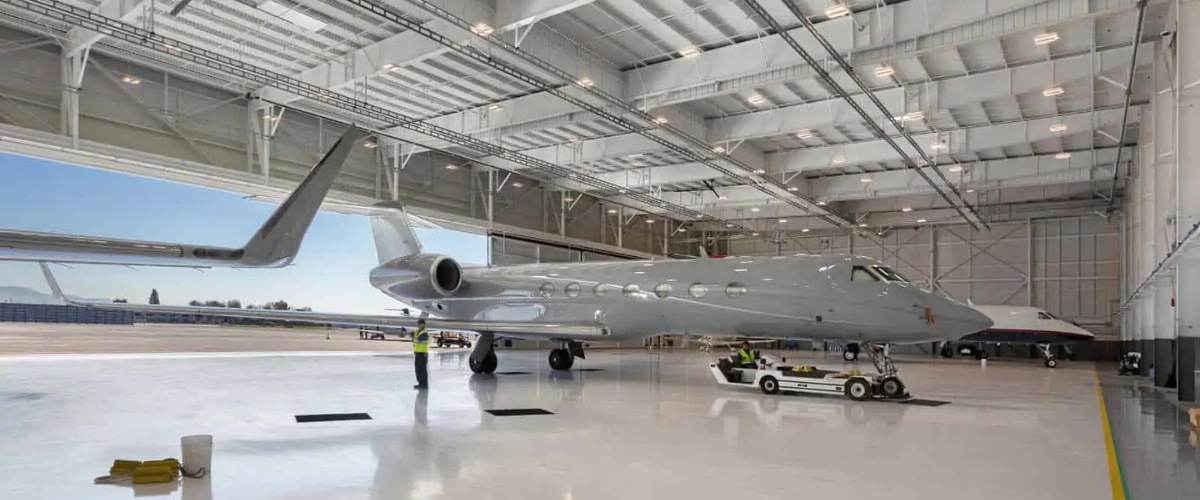
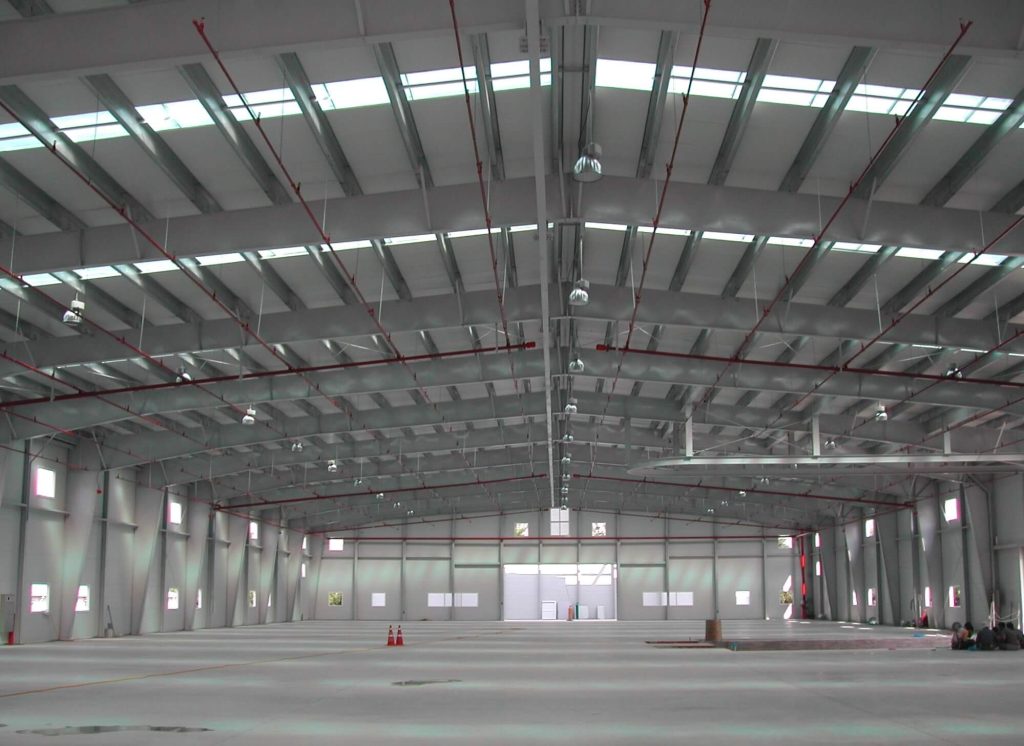
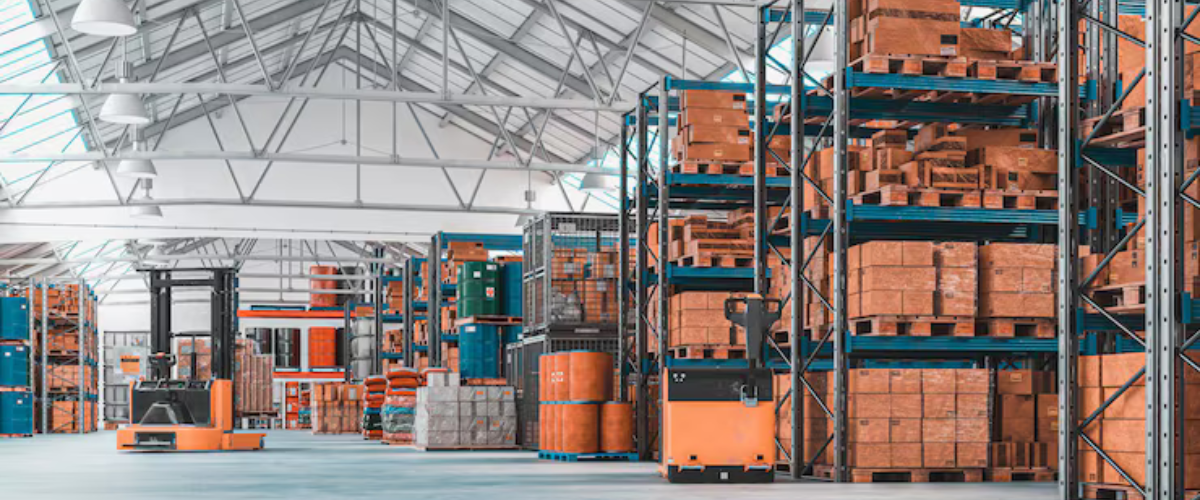
Clear-span buildings are among the most versatile and widely used PEB configurations, particularly for industries that require large, unobstructed floor areas

As the name suggests, these structures eliminate the need for interior columns, creating a fully open space that supports smooth operations, efficient goods movement, and flexible layout planning.

This makes clear-span structures especially valuable for industries that depend on wide-open workflows, seamless equipment movement, and scalable floor layouts. They are ideal for activities involving machinery, racking systems, material handling, or heavy foot traffic.

Key Advantages:

  • Completely column-free interior
  • Highly flexible layout options for future reconfiguration
  • Maximum use of available floor space
  • Smooth circulation for goods, equipment, or people

Ideal Applications:

  • Manufacturing plants
  • Aircraft hangars
  • Large-scale retail or wholesale centres
  • Warehouses and logistics hubs
  • Sports halls and event complexes

At Hitec Metal, clear-span structures can span up to 160 metres, providing uninterrupted horizontal space that enhances operational efficiency and allows businesses to reconfigure layouts as their needs evolve.


2. Multi-Span Buildings
peb-frame-1

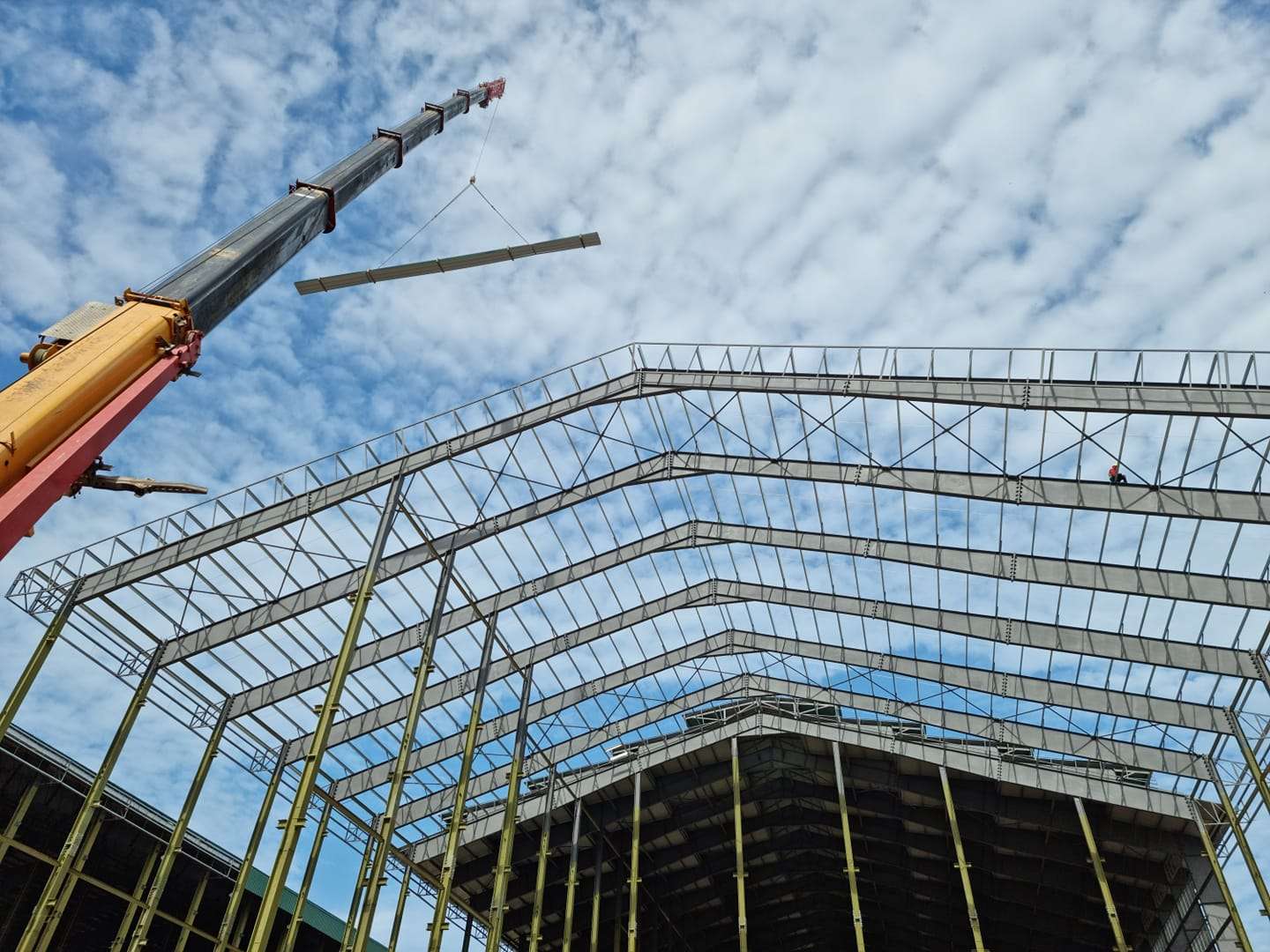
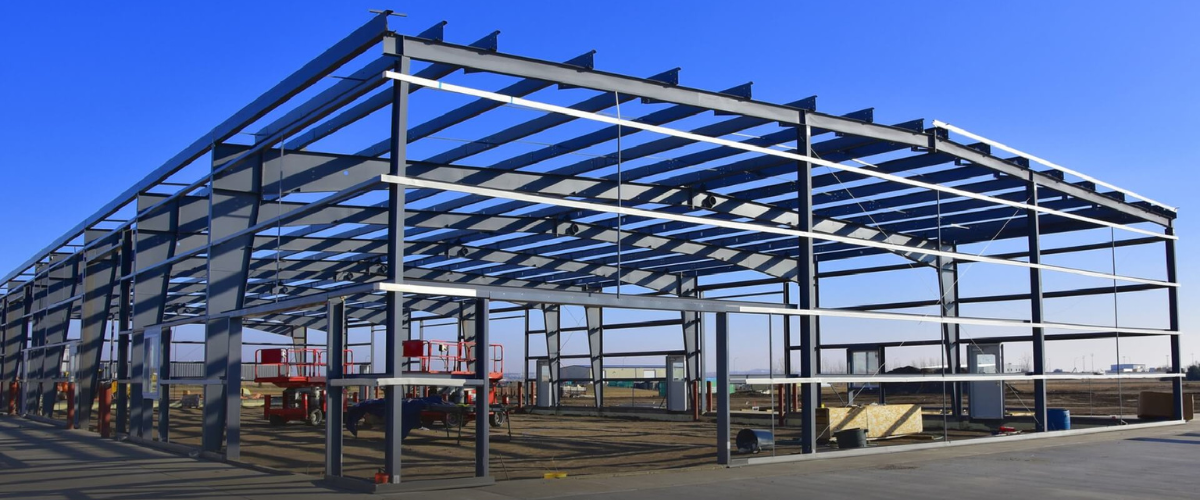
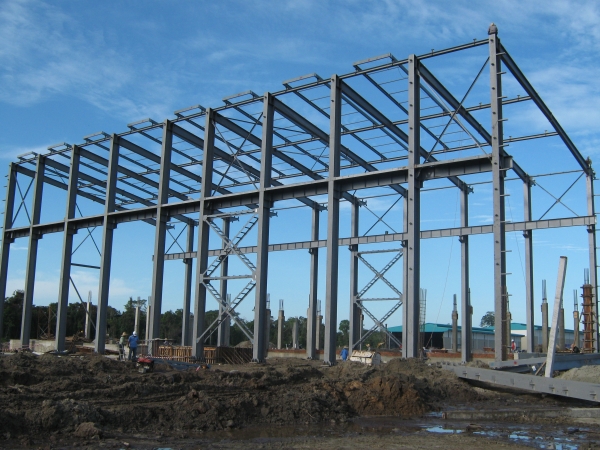
Multi-span buildings are an efficient PEB configuration designed for facilities that require large floor areas but can accommodate internal columns. 

Unlike clear-span structures, multi-span designs use strategically placed interior supports to divide the building into multiple bays — a feature that significantly reduces steel usage and overall cost.

This makes multi-span PEBs one of the most economical solutions for large-scale facilities. Designed to accommodate expansive footprints and predictable loading requirements, they offer efficient space planning for high-volume operations, structured storage, and future expansion.

Key Advantages:

  • Cost-effective for large buildings due to reduced steel consumption
  • Easy to expand by adding additional bays as the business grows
  • Supports heavy racking systems and high-load equipment
  • Suitable for temperature-controlled environments like cold rooms and chilled warehouses

Ideal Applications:

  • Large warehouses
  • Distribution and fulfilment centres
  • Cold storage and temperature-controlled facilities
  • Manufacturing plants with sectional workflows
  • Industrial hubs requiring structured floor planning

At Hitec Metal, multi-span PEBs’ multi-span framing is engineered to support heavy load requirements while offering versatile internal layouts suitable for complex, large-scale structures.
Bring Your
Next Building to Life!

Transform blueprints into reality with durable, efficient PEB Systems

3. Single-Slope Buildings

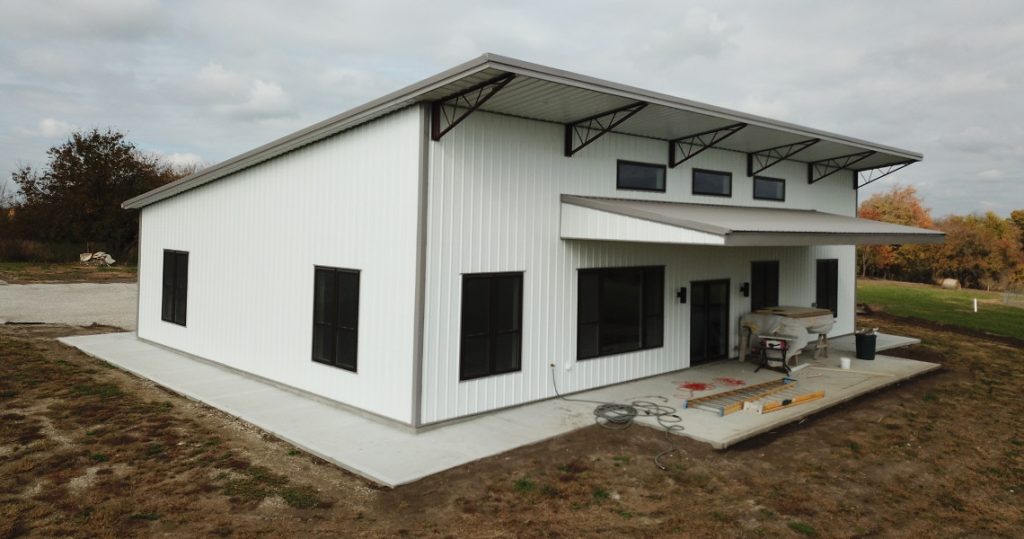
Single-slope buildings feature roofs that slope in only one direction, making them among the most efficient and cost-effective PEB configurations. With a single-direction roof slope, these buildings enable quick installation and effective water drainage, ideal for Malaysia’s tropical climate and frequent downpours.

Despite their simplicity, single-slope structures offer substantial functional value for smaller facilities that need practical, low-maintenance space. Their compact footprint and clean geometry make them ideal for SMEs looking to optimise land use without overspending on construction.

Key Advantages:

  • Most budget-friendly PEB option
  • Fast and simple installation
  • Efficient rainwater drainage due to a single-direction roof slope
  • Minimal structural components, reducing long-term maintenance

Ideal Applications:

  • Small warehouses and storage units
  • Retail shops or commercial extensions
  • Light industrial workshops
  • SME facilities in industrial areas

4. Modular PEB Buildings

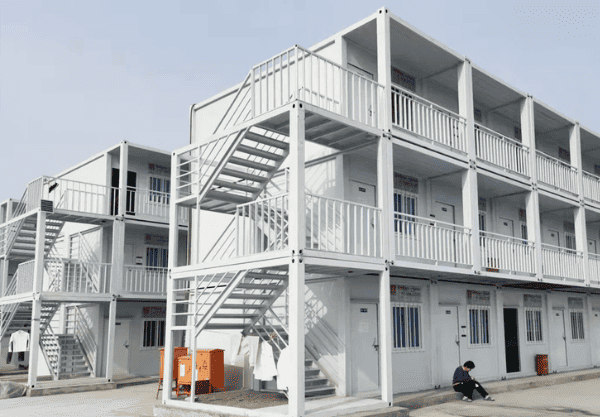
Modular PEB buildings are constructed from prefabricated, standardised modules manufactured off-site and assembled quickly on-site. This approach offers the fastest construction timeline among all PEB types, making it ideal for projects that require rapid deployment or temporary use.

Because each module is designed for mobility, modular buildings can be relocated, reused, or expanded with minimal disruption, providing exceptional flexibility for businesses that operate in remote, seasonal, or fast-changing environments.

Key Advantages:

  • Quickest installation time among PEB options
  • Easily relocatable and reusable
  • Minimal site disruption during assembly
  • Scalable by adding or removing modules

Ideal Applications:

  • Temporary site offices
  • Workers’ accommodation
  • Emergency relief shelters
  • Plantation facilities
  • Temporary clinics or classrooms

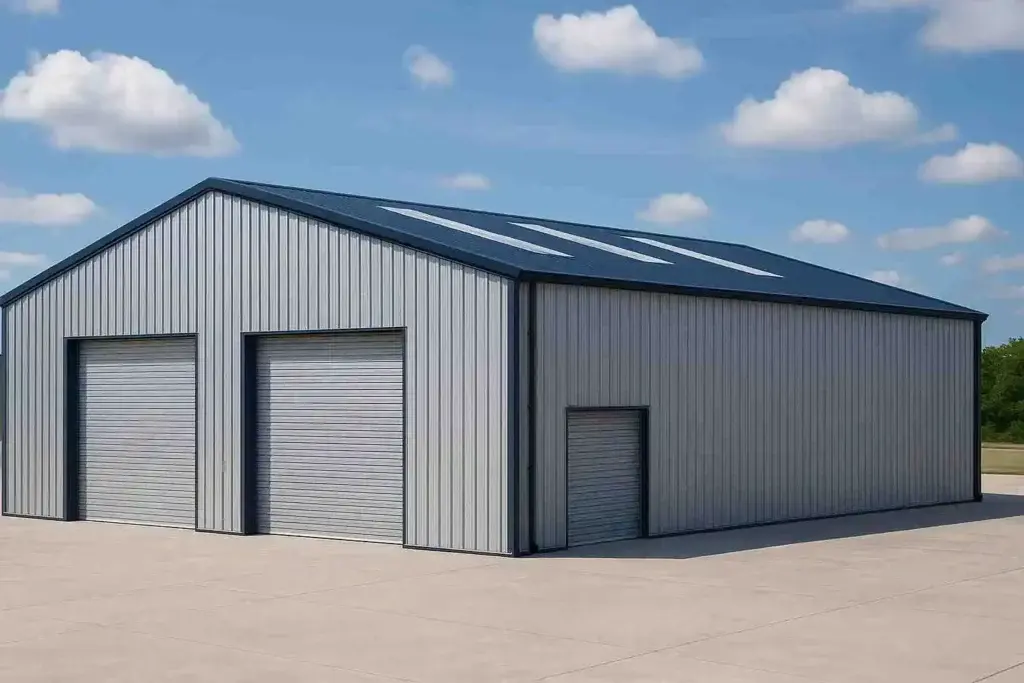
5. Gable Structures

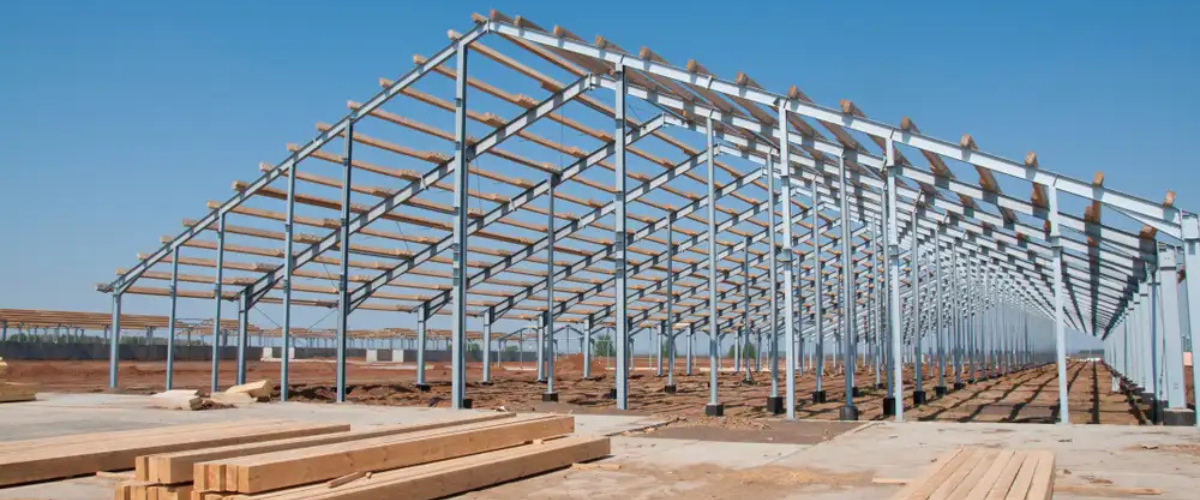
Gable buildings feature the classic A-frame roof profile, making them one of the most recognisable and versatile PEB structures. Their symmetrical peaked roof design supports excellent water drainage and enhanced natural ventilation, both of which are especially beneficial in Malaysia’s humid, high-rainfall regions.

Beyond performance, gable structures offer strong visual appeal, making them suitable for commercial and customer-facing environments. Their adaptable form can accommodate a wide range of interior layouts, equipment configurations, and façade options.

Key Advantages:

  • Efficient rainwater runoff due to the sloped A-frame roof
  • Improved natural airflow and interior ventilation
  • Attractive exterior profile suited for commercial frontage
  • Versatile design for both industrial and commercial needs

Ideal Applications:

  • Commercial showrooms
  • Retail centres
  • Workshops and service facilities
  • Palm oil processing spaces
  • General industrial buildings

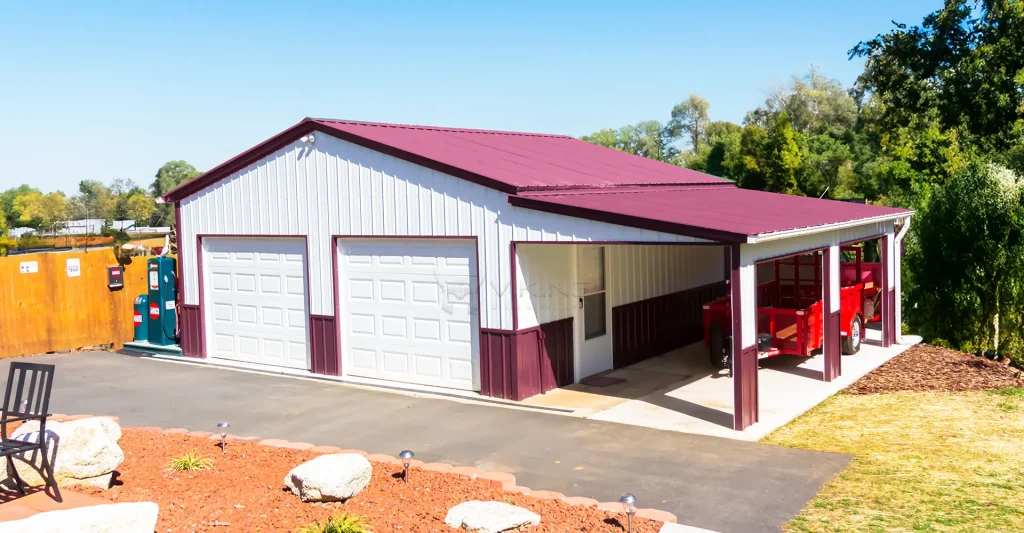
6. Lean-To Buildings

Lean-to buildings are designed as extensions that attach directly to an existing structure, making them one of the most practical and cost-efficient ways to add usable space

Instead of constructing an entirely new facility, a lean-to allows businesses to expand outward with minimal disruption, reduced material use, and shorter construction timelines.

This configuration is ideal for adding sheltered zones, extra storage, or functional extensions that improve daily workflows without modifying the main building. Lean-tos also enhance connectivity, improve weather protection, and facilitate more efficient movement between linked areas.

Key Advantages:

  • Cost-effective way to expand existing facilities
  • Minimal structural modification required
  • Quick installation with less downtime
  • Efficient use of limited land and side space

Ideal Applications:

  • Factory or warehouse extensions
  • Loading bays and docking areas
  • Covered walkways or sheltered access routes
  • Equipment storage zones
  • Utility rooms or ancillary spaces

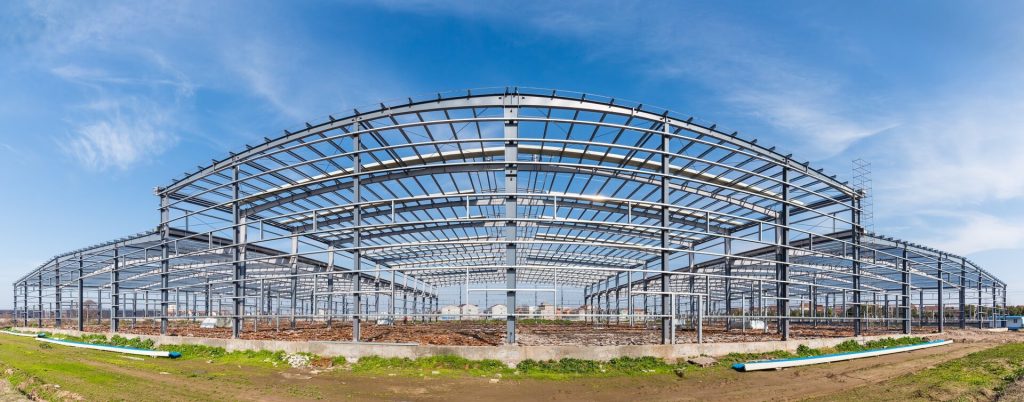
7. Arch / Curved Roof Buildings

Arch or curved roof PEB structures are chosen for their modern appearance, structural efficiency, and excellent aerodynamics. The smooth, curved roof profile provides superior wind resistance compared to traditional straight-edged designs, making these buildings both durable and visually distinctive.

Beyond aesthetics, curved roofs also enhance natural lighting and improve thermal performance by reducing heat accumulation, contributing to a more energy-efficient environment. 

These qualities make arch-type PEBs particularly appealing for large public or commercial spaces where comfort, safety, and visual impact matter.

Key Advantages:

  • Enhanced wind resistance due to aerodynamic roof shape
  • Modern, distinctive architectural appearance
  • Energy-efficient with improved natural light distribution
  • Reduced heat buildup under the roof

Ideal Applications:

  • Sports facilities and indoor arenas
  • Auditoriums and event spaces
  • Convention and exhibition centres
  • Iconic commercial or civic buildings

Want to learn how aircraft hangars are engineered? Check out our full guide to aircraft hangar construction and learn what goes into building safe, durable, and high-performance hangar facilities.

How to Choose the Right PEB Type for Your Project

Now that you’ve explored the common types of PEB structures, the next step is determining which one best fits your project. Selecting the right PEB configuration requires considering several practical, environmental, and regulatory factors, along with your operational needs, long-term plans, and site conditions.

Below are the key considerations to help guide your decision:

1. Budget and Timeline

Your available budget and project schedule often determine which PEB structure is the most practical. Some configurations, such as single-slope and modular buildings, offer faster installation and lower upfront costs. 

More complex structures, such as clear-span or multi-span, may require a higher investment but deliver long-term operational value. Evaluating how quickly you need the facility and how much you plan to spend are crucial first steps in selecting the right PEB solution.


2. Space and Operations

Every PEB type supports different operational flows, equipment layouts, and spatial requirements. Choosing the right structure depends heavily on how your facility operates day to day.

  • Operational Workflow
    Choose clear-span for open movement; multi-span for organised, multi-bay functions.
  • Equipment and Machinery Requirements
    Consider ceiling height, floor loading, and column placement for production lines, racking systems, forklifts, or conveyor routes.
  • Storage Configuration
    Multi-span is ideal for structured storage layouts; clear-span is suited to bulk storage or high-clearance environments.
  • Future Expansion Plans
    Lean-to and multi-span structures allow easier lateral expansion; modular units support rapid facility scaling.
  • People Traffic and Safety
    Facilities with high visitor or worker traffic benefit from column-free, easily navigable layouts.
  • Internal Environment Control
    Industries such as electronics, food processing, and pharmaceuticals may require specialised partitioning or conditioned zones.


3. Compliance and Environment

When selecting a PEB structure, it’s crucial to ensure that the design aligns with Malaysia’s regulatory requirements and environmental conditions. Proper compliance not only protects the project from delays but also provides long-term building performance and safety.

  • MS 1553 Steel Building Code
    Ensures structural safety, wind loading, and design performance.
  • Uniform Building By-Laws (UBBL)
    Governs fire safety, access, egress, and building approvals.
  • Local Authority Requirements
    Vary by state and may affect height limits, setbacks, and submission procedures.
  • Tropical Climate Factors
    Heavy rainfall, heat, and humidity require proper drainage, insulation, and corrosion protection.
  • GBI (Green Building Index)
    For companies pursuing sustainability certifications or energy-efficient facilities.


4. Industry-Specific Needs

Different industries have unique operational requirements, and the type of PEB structure you choose should support those conditions. 

Key considerations include:

  • Food Processing
    Requires proper insulation, hygiene-compliant interior finishes, and controlled environments to meet regulatory and safety standards.
  • Electronics and High-Tech Manufacturing
    Needs climate control, dust-free production environments, and structural layouts that support sensitive equipment and cleanroom design.
  • Logistics and Warehousing
    Benefits from clear-span layouts, efficient loading dock access, high vertical storage capacity, and unobstructed internal movement paths.


5. Site Conditions

Your project site plays a major role in determining which PEB structure is most suitable. Factors such as ground stability, accessibility, and on-site logistics can significantly influence design, foundation requirements, and overall feasibility.

Key considerations include:

  • Soil Bearing Capacity
    Soft or unstable soil may require piling, deeper foundations, or adjusted structural loads.
  • Access for Material Delivery
    Ensure sufficient space for trailers, cranes, and heavy equipment to manoeuvre safely.
  • Utility Connections
    Consider the availability and layout of power, water, drainage, and other essential services during planning.

Looking to understand how steel structure design strengthens and optimises PEB systems? This article breaks down the key engineering principles behind pre-engineered buildings and how they enhance performance, durability, and efficiency.

Turn Your Next Building Concept Into Reality!

Choosing the right PEB structure is the first step; partnering with the right builder is what ensures long-term performance, safety, and value. With nearly 30 years of experience, Hitec Metal Sdn. Bhd. delivers precision-engineered steel building systems that meet the demands of Malaysia’s industrial, commercial, and logistics sectors.

As a CIDB Grade 7 contractor certified under ISO 9001:2015, ISO 14001:2015, and ISO 45001:2018, we deliver steel building solutions that meet the highest standards of quality, safety, and environmental performance.

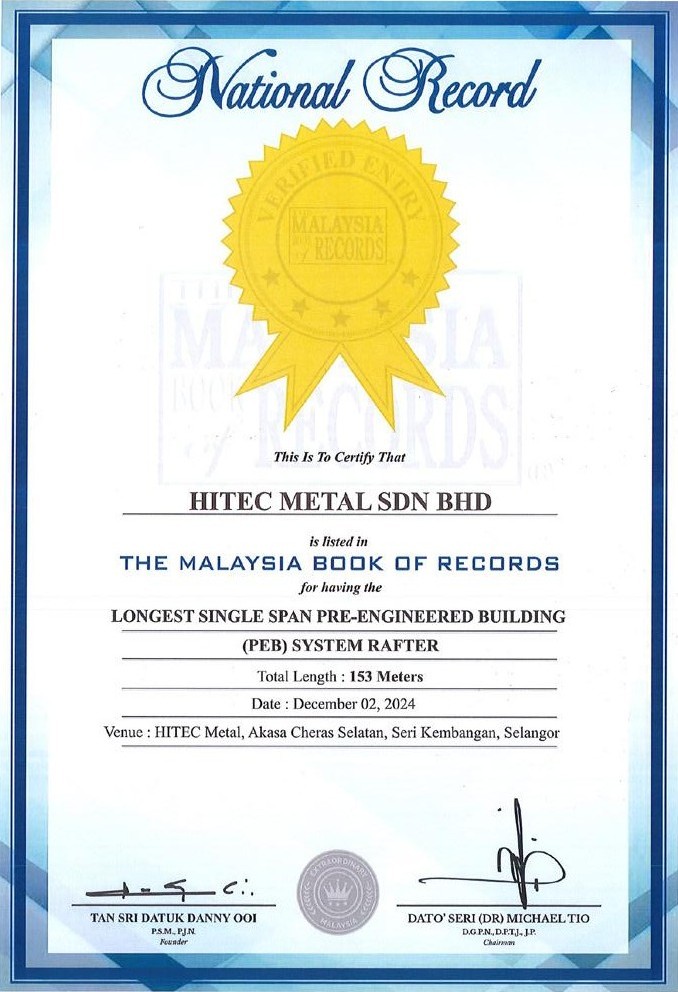
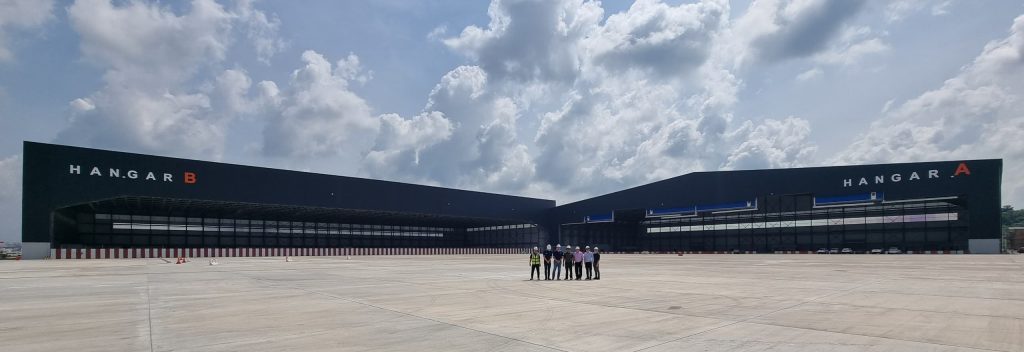
Over the decades, we’ve delivered hundreds of industrial and commercial projects across Malaysia, from warehouses and aviation hangars to large-scale production facilities, and set a national record with the longest single-span PEB system featuring a vertical lift door, underscoring our commitment to innovation and engineering excellence.
peb 7

peb 5

Whether you’re building a new facility or expanding an existing one, we’re here to support you with end-to-end expertise—from concept and structural design to fabrication, installation, and after-build support.

Ready to bring your next PEB project to life? Get in touch with us today!
FAQs

1. What is the typical lifespan of a pre-engineered building in Malaysia’s tropical climate?

A well-designed and properly maintained PEB can last 40 to 60 years in Malaysia’s tropical environment. High-quality steel, corrosion-resistant coatings, proper drainage design, and regular maintenance significantly extend the building’s lifespan despite humidity, rainfall, and heat.


2. Do pre-engineered buildings require special foundations in Malaysia?

Not always, but foundation requirements depend on soil conditions. Most PEBs use conventional reinforced concrete foundations. However:

  • peat soil (common in Johor)
  • reclaimed land (Penang, Melaka)
  • soft, low-bearing soils

may require piling, raft foundations, or soil improvement. A geotechnical assessment is usually necessary before construction.


3. Can pre-engineered buildings withstand Malaysia’s weather conditions (heavy rain, strong winds)?

Yes. PEBs are engineered to comply with Malaysian standards, including MS 1553 and local wind load requirements.

When properly designed, they offer:

  • strong resistance against monsoon winds
  • effective rainwater management
  • enhanced performance through insulation and ventilation options.

PEBs are widely used in coastal areas, industrial zones, and high-rainfall regions across Malaysia.


4. Can pre-engineered buildings be customised with insulation and climate control for Malaysia’s hot and humid climate?

Absolutely. PEBs can integrate a wide range of climate-control features, such as:

  • PU (Polyurethane) and PIR (Polyisocyanurate) insulated panels
  • Rockwool insulation
  • Ridge vents and roof ventilators
  • Mechanical ventilation systems
  • HVAC (Heating, Ventilation & Air Conditioning) integration
  • Vapour barriers for humidity control

These upgrades help stabilise indoor temperatures, reduce condensation, and improve energy efficiency.


5. How much can I save by choosing a PEB over conventional construction in Malaysia?

Most projects achieve 10%–35% cost savings, depending on size and complexity.

Savings come from:

  • faster fabrication and installation
  • lower labour costs
  • reduced material waste
  • fewer redesigns
  • shorter project timelines

Many Malaysian businesses also save on operational costs thanks to better layout efficiency and lower maintenance.


6. Are PEB buildings expandable in the future?

Yes — PEBs are designed with modularity and expansion in mind. Common expansion options include:

  • Adding new bays to multi-span buildings
  • Extending clear-span areas
  • Attaching lean-to structures
  • Retrofitting mezzanines

This makes PEBs ideal for growing businesses that expect future scale-ups.


7. What permits are required for PEB construction in Malaysia?

Requirements vary by state, but most projects need:

  • Local authority building plan approval
  • Engineering drawings endorsed by a Professional Engineer (PE)
  • Permit-to-build (PTB)
  • BOMBA approval for fire safety compliance
  • Environmental approvals (for certain industries)


A reputable PEB contractor such as Hitec Metal Sdn. Bhd. will typically assist with the submission, documentation, and compliance process. Get a quote from us today and discover how HITEC can support your project from start to finish.

Facebook
LinkedIn
Email
Print