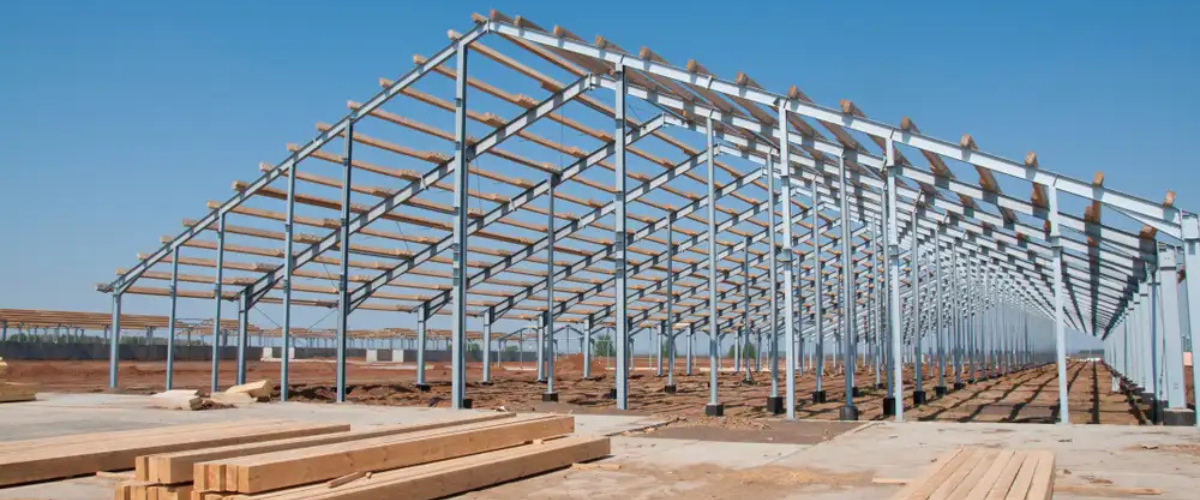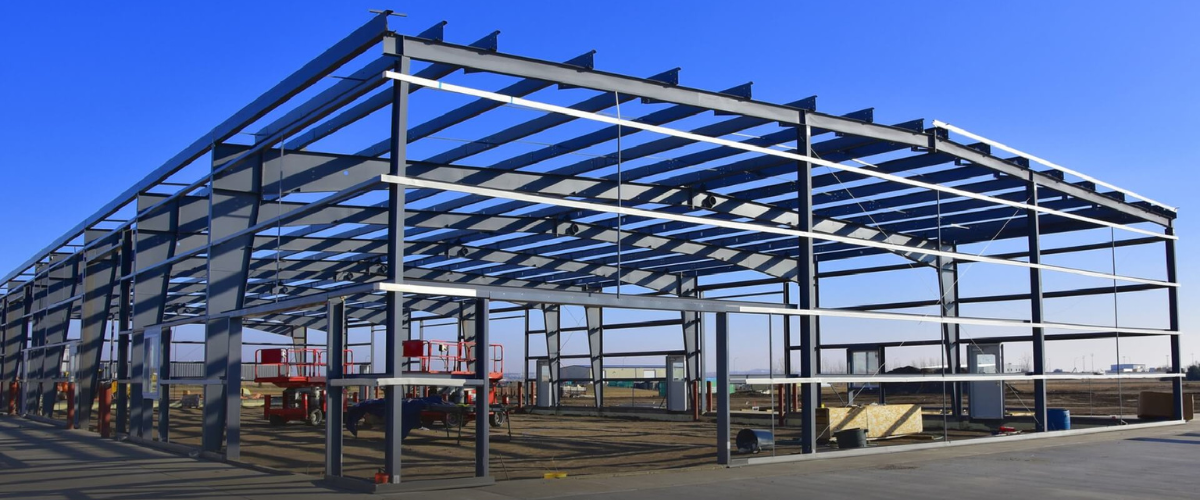
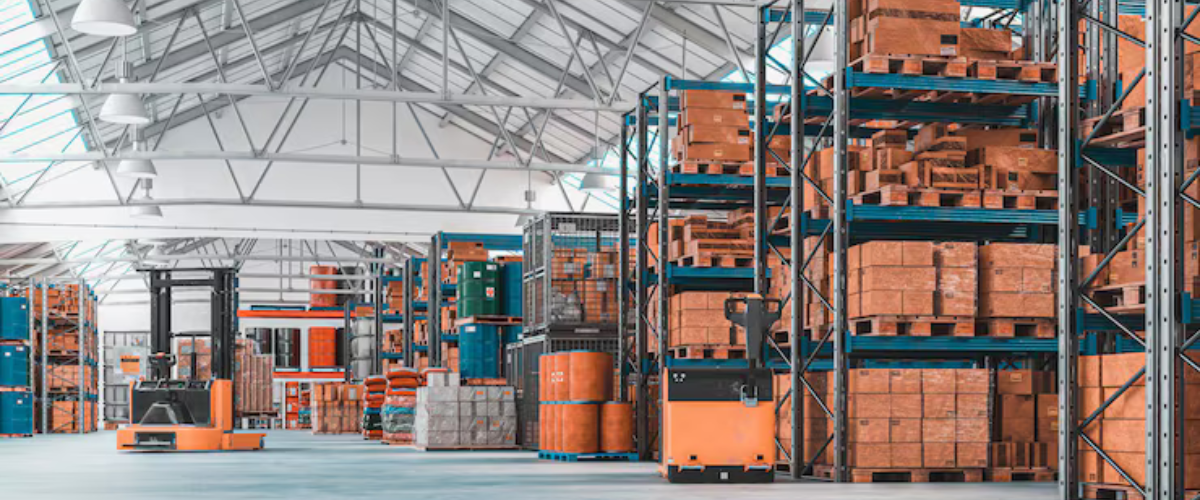
When you think of a warehouse, you might picture an organised facility filled with rows of shelves stacked with goods — an integral part of logistics where storage and distribution occur. While that image captures the basics, it reflects only one aspect of what modern warehouses truly represent.
In today’s fast-paced logistics landscape, warehouses have evolved far beyond simple storage spaces. They have become strategic, data-driven operations that enable faster delivery, better inventory control, and seamless global trade. What many do not realise is that there is not just one type of warehouse.
From bonded warehouses that hold imported goods under customs supervision to temperature-controlled cold storage and high-tech automated facilities, each warehouse type serves a distinct function depending on the products handled, the scale of operations, and the logistics model in place.
In this article, we will take a closer look at the 14 different types of warehouses in logistics, their key features, and the kinds of businesses that benefit most from each.
What Is a Warehouse in Logistics?
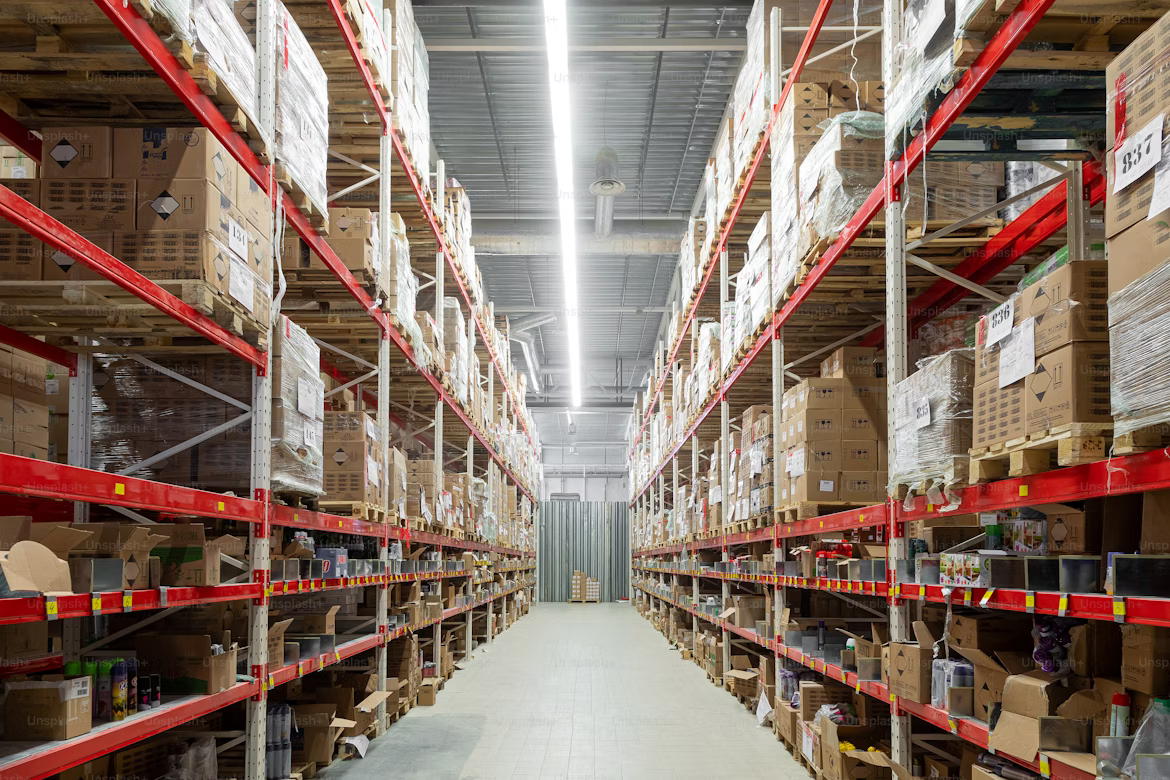
In logistics, a warehouse is a structured space used to store, manage, and distribute goods efficiently as they move through different stages of the supply chain. It acts as a central hub where products are received from manufacturers or suppliers, stored safely, and then distributed to retailers, customers, or other destinations when needed.
A warehouse’s main purpose is to ensure that goods are available at the right place, at the right time, and in the right condition. It supports key logistics functions, including:
- Storage: Safely holding raw materials, components, or finished goods until required.
- Consolidation: Combining products from multiple suppliers or manufacturing lines for efficient shipment.
- Sorting and Packaging: Preparing items for order fulfilment or transportation.
- Distribution: Dispatching goods to regional centres, retailers, or directly to customers.
- Reverse Logistics: Managing returns, recycling, and product refurbishments.
Why Warehousing Is Essential in Logistics
Beyond these operational roles, warehouses also contribute to the overall efficiency and stability of the supply chain. Maintaining a buffer stock helps businesses respond quickly to fluctuations in demand and supply.
Effective warehousing reduces lead times, minimises transportation costs, and enhances customer satisfaction through timely delivery and accurate order fulfilment.
Moreover, with modern digital tools and automation, warehouses now provide real-time visibility into inventory, enabling smarter decision-making and cost control. In essence, a well-designed warehouse does not just store goods — it adds strategic value by improving flexibility, resilience, and competitiveness across the entire supply chain.
In simple terms, while logistics focuses on the movement of goods, the warehouse provides the space and structure that makes that movement efficient, reliable, and cost-effective.
Curious how steel structure design powers Pre-Engineered Buildings(PEB)? This article unpacks the engineering behind faster builds, stronger spans, and smarter sustainability.
Types of Warehouses in Industries
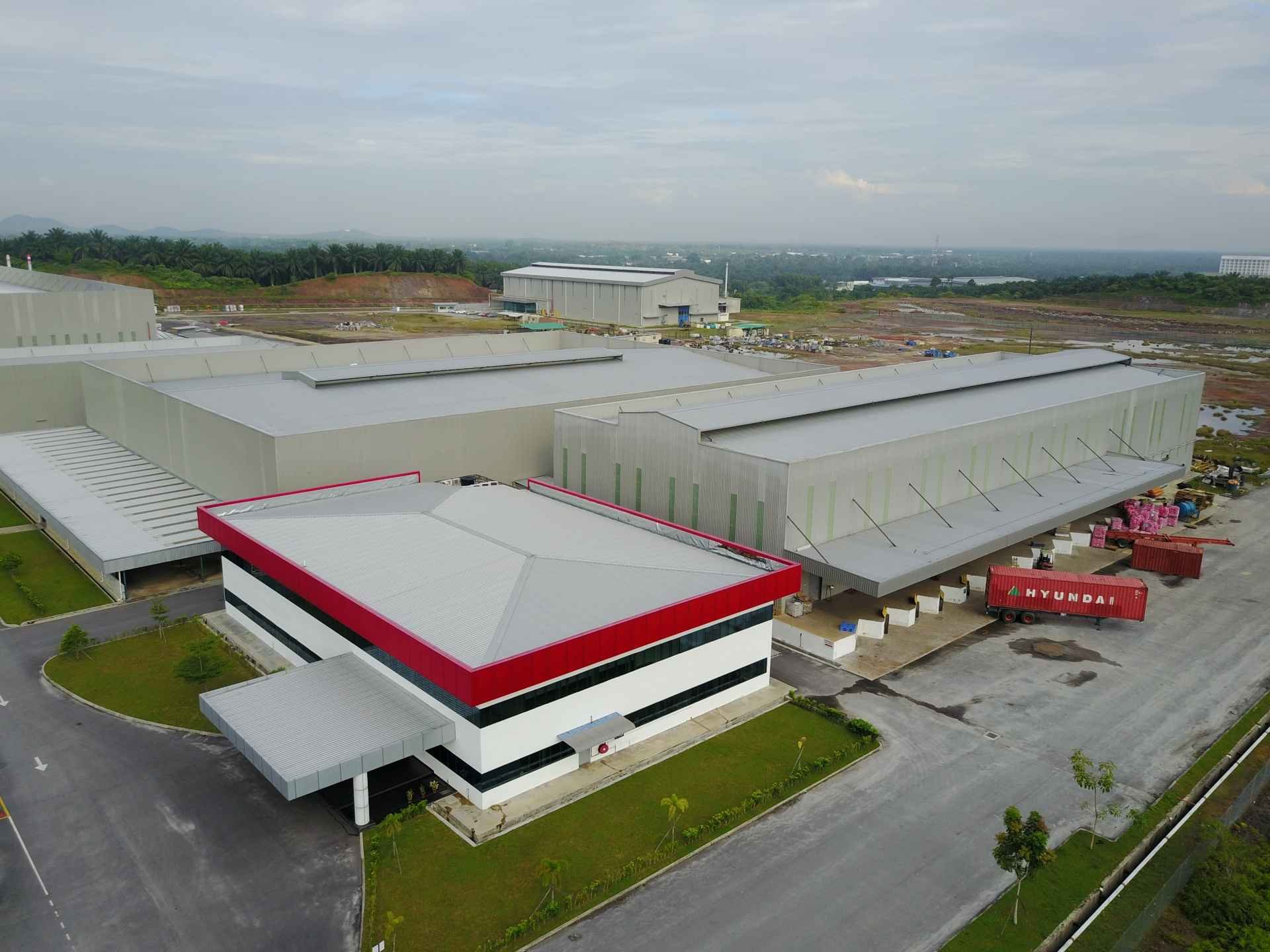
Warehouses come in many forms. Businesses rely on various types of warehouses designed to meet distinct operational goals, storage needs, and product characteristics — all serving specific functions within different industries. Below are some of the standard types of warehouses used in various sectors today.
1. Public Warehouse
A public warehouse is a third-party storage facility available for rent to multiple businesses for short- or long-term use. It is commonly used by small and medium-sized enterprises, importers, and seasonal retailers that require additional capacity space without committing to a long-term investment.
Public warehouses typically offer flexible rental terms, shared resources, and basic handling or distribution services, providing businesses with accessible, adaptable storage options to manage fluctuating inventory volumes and short-term logistics needs.
Pros:
- Cost-effective: Businesses pay only for the space and duration needed.
- Easily accessible: Located near major trade routes and cities for convenience.
- No significant investment: Avoids the high capital cost of building or owning a facility.
Cons:
- Limited control: Operations and layouts are managed by the warehouse provider.
- Shared space: May reduce customisation or privacy of storage arrangements.
2. Private Warehouse
A private warehouse is owned and operated by a single company for the storage and management of its own goods. It gives businesses complete control over layout, systems, and operations, allowing them to tailor the facility to their specific workflow and logistical requirements.
Commonly used by manufacturers, wholesalers, and large retailers with steady inventory volumes, private warehouses are purpose-built and supported by dedicated staff and handling equipment to ensure efficient, secure, and consistent logistics performance.
Pros
- Greater control: Full authority over layout, systems, and staffing.
- High efficiency: Streamlined operations tailored to company processes.
- Enhanced security: Exclusive use reduces risks of external interference.
Cons
- High initial investment: Significant capital required to build or acquire.
- Maintenance costs: Ongoing expenses for upkeep and staff training.
3. Bonded Warehouse
A bonded warehouse is a secure facility licensed by customs authorities for storing imported goods until duties and taxes are paid. It is widely used by importers, exporters, and international traders managing cross-border shipments.
Operating under customs supervision to ensure full compliance, bonded warehouses allow businesses to defer tax payments, store goods for extended periods, and facilitate smoother international trade and distribution once clearance is obtained.
Pros:
- Deferred tax payments: Duties are paid only when goods leave the facility.
- Secure and compliant: Operates under customs supervision for safety and legality.
Cons:
- Complex documentation: Requires strict record-keeping and approval processes.
- Limited flexibility: Restricted handling of goods under customs control.
4. Distribution Centre (DC)
A distribution centre is a high-efficiency warehouse designed for the quick handling and redistribution of goods rather than long-term storage. It serves as a central hub for receiving, sorting, and redistributing products to retailers, wholesalers, or end customers.
Commonly used by retailers, e-commerce companies, and FMCG suppliers, these facilities rely on advanced inventory systems and automation to ensure fast, accurate, and cost-effective order fulfilment.
Pros:
- Faster delivery: Streamlines order processing and dispatch.
- Improved responsiveness: Supports just-in-time and same-day delivery operations.
Cons:
- Higher setup costs: Requires advanced technology and automation.
- Continuous flow needed: Inefficient if stock movement is irregular.
5. Smart / Automated Warehouse
A smart or automated warehouse uses advanced technologies such as robotics, artificial intelligence (AI), and the Internet of Things (IoT) to manage storage, retrieval, and order processing with minimal human intervention.
Commonly used by large e-commerce companies, logistics providers, and manufacturers, these facilities rely on automated systems and real-time tracking to enhance speed, accuracy, and overall productivity.
They are ideal for businesses that handle high-volume operations and aim to optimise warehouse performance through technology-driven efficiency.
Pros:
- Reduced labour costs: Automation cuts repetitive manual work.
- Greater accuracy: Real-time tracking improves reliability and speed.
Cons:
- High initial cost: Significant investment in technology and infrastructure.
- Requires expertise: Needs skilled technicians and system oversight.
6. Consolidated Warehouse
A consolidated warehouse combines smaller shipments from multiple suppliers into a single, larger consignment for more efficient transportation. These warehouses are typically used by distributors, wholesalers, and third-party logistics (3PL) providers to streamline delivery routes and reduce shipping costs.
By grouping goods headed for the same destination, consolidated warehouses help businesses optimise space, minimise transport expenses, and simplify logistics coordination across multiple supply sources.
Pros:
- Lower shipping costs: Maximises load capacity to cut transport expenses.
- Reduced frequency: Fewer trips lead to lower fuel and logistics costs.
Cons:
- Complex scheduling: Timing must align across multiple suppliers.
- Coordination required: Relies heavily on communication and planning.
7. Cold Storage Warehouse
A cold storage warehouse is a temperature-controlled facility designed to store perishable goods that require specific environmental conditions. It is widely used by food and beverage companies, pharmaceutical firms, and agricultural producers to preserve product quality and extend shelf life.
Equipped with refrigeration systems, humidity control, and monitoring technology, cold storage warehouses ensure that sensitive products remain safe and compliant throughout storage and distribution.
Pros:
- Preserves quality: Maintains freshness and product integrity.
- Extends shelf life: Reduces spoilage and waste over time.
Cons:
- High energy use: Requires constant refrigeration and monitoring.
- Strict compliance: Must meet rigorous safety and health regulations.
Bring Your
Next Building to Life!
8. Cooperative Warehouse
A cooperative warehouse is jointly owned and operated by a group of businesses or organisations that share storage space, equipment, and operating costs. It is commonly used by farmers, small manufacturers, and trade associations seeking affordable and collaborative logistics solutions.
By pooling resources, cooperative warehouses help members reduce expenses, improve supply chain efficiency, and gain access to facilities that might otherwise be too costly to manage individually.
Pros:
- Cost-sharing: Reduces expenses by pooling investments.
- Collaborative benefits: Members gain access to better facilities and networks.
Cons:
- Shared decision-making: Can limit individual control.
- Requires consensus: Success depends on stakeholder coordination.
9. On-Demand / Fulfilment Warehouse
An on-demand or fulfilment warehouse provides flexible storage and order processing services that businesses can access as needed, often through digital platforms. It is commonly used by e-commerce retailers, startups, and small to medium enterprises with fluctuating inventory levels.
These facilities allow companies to scale operations quickly without long-term contracts, offering integrated solutions for storage, picking, packing, and shipping to meet short-term or seasonal demand.
Pros:
- Scalable model: Easy to expand or reduce space based on demand.
- Lower capital risk: Pay only for the services and time needed.
Cons:
- Limited control: Outsourced operations may not match internal standards.
- Reduced customisation: Standardised systems may limit branding flexibility.
10. Cross-Docking Warehouse
A cross-docking warehouse facilitates the direct transfer of goods from inbound to outbound transportation with little or no storage in between. It is commonly used by retailers, logistics providers, and fast-moving consumer goods (FMCG) companies that require rapid distribution.
By minimising storage time, cross-docking warehouses help speed up delivery, reduce inventory costs, and maintain a steady flow of goods through the supply chain.
Pros:
- Faster throughput: Minimises handling and storage time.
- Reduced inventory cost: Goods move quickly, reducing holding expenses.
Cons:
- Scheduling pressure: Requires precise coordination between shipments.
- Not ideal for storage: Unsuitable for goods requiring long-term holding.
11. Government Warehouse
A government warehouse is owned and managed by public authorities to store goods such as essential supplies, bonded items, or materials under customs supervision. It is often used by exporters, importers, and government agencies that require secure, regulated storage for products awaiting inspection or clearance.
These warehouses ensure compliance with legal and safety standards while supporting public distribution and trade management activities.
Pros:
- Reliable security: Managed under strict government supervision.
- Regulatory compliance: Suitable for goods under customs or inspection.
Cons:
- Administrative delays: Bureaucratic processes can slow movement.
- Limited flexibility: Restricted by government policies or regulations.
12. E-Commerce / Micro-Fulfilment Centre
An e-commerce or micro-fulfilment centre is a compact, technology-enabled warehouse designed to process online orders quickly and efficiently. E-commerce retailers and delivery service providers widely use it to enable same-day or next-day delivery.
Located close to urban areas, these facilities use automated picking systems and real-time inventory tracking to streamline order fulfilment and enhance customer satisfaction.
Pros
- Quicker delivery: Enables same-day or next-day fulfilment.
- Higher customer satisfaction: Improves reliability and speed of service.
Cons:
- Limited capacity: Smaller facilities may restrict stock volume.
- Costly to run: Automation and urban locations increase expenses.
13. Omnichannel / Hybrid Warehouse
An omnichannel or hybrid warehouse integrates multiple sales and distribution channels, such as retail, wholesale, and online, within a single facility. It is commonly used by retailers and brands that manage both physical and digital operations.
By unifying inventory and fulfilment systems, these warehouses enable efficient stock management, seamless order processing, and flexible delivery options across all customer touchpoints.
Pros:
- Unified inventory: Reduces duplication across multiple sales channels.
- Seamless experience: Supports flexible fulfilment and delivery options.
Cons:
- Complex systems: Requires sophisticated software and integration.
- High implementation cost: Demands significant setup and coordination.
14. Container Freight Station (CFS) / Transit Warehouse
A container freight station, or transit warehouse, is a specialised facility used for the consolidation, deconsolidation, and temporary storage of cargo during import or export operations. It is primarily used by shipping agents, freight forwarders, and logistics companies handling international shipments.
Operating under customs supervision, CFS warehouses support efficient cargo handling, inspection, and documentation, ensuring smooth movement of goods through ports and trade zones.
Pros:
- Efficient trade flow: Simplifies cargo handling and customs processing.
- Port efficiency: Reduces congestion and delays at major terminals.
Cons:
- Dependent on regulations: Operations limited by customs procedures.
- Restricted scope: Designed mainly for transit, not long-term storage.
Planning an aircraft hangar build? This article covers the 6 essential factors every project must consider!
Summary Table: Warehouse Types and Their Uses
Warehouse Type | Key Features | Pros | Cons |
Public Warehouse | Shared facility, flexible rental terms | Low cost, easy access, ideal for short-term use | Limited operational control, reduced customisation due to shared space |
Private Warehouse | Company-owned and operated | Full operational control, long-term cost efficiency | High initial investment, ongoing maintenance |
Bonded Warehouse | Customs-licensed for imported goods | Tax payment deferred, secure storage | Complex documentation, limited accessibility |
Distribution Centre (DC) | High-speed handling and dispatch | Fast delivery, improved order accuracy | Requires strong demand planning, higher operating cost |
Smart / Automated Warehouse | Robotics, AI, and IoT integration | High accuracy, labour efficiency, real-time tracking | Expensive setup, needs skilled management |
Consolidated Warehouse | Combines multiple shipments | Lower transport cost, efficient routing | Limited flexibility, needs strong coordination |
Cold Storage Warehouse | Temperature and humidity controlled | Preserves product quality, supports perishables | High energy cost, strict compliance |
Cooperative Warehouse | Jointly owned by multiple users | Shared costs, community-driven | Limited independence, slower decision-making |
On-Demand / Fulfilment Warehouse | Pay-as-you-go model | Scalable, flexible, ideal for startups | Less control over operations, variable availability |
Cross-Docking Warehouse | Minimal or no storage time | Faster delivery, reduced inventory holding | Requires precise scheduling, high coordination |
Government Warehouse | Operated by public authorities | Secure, regulated, supports customs processes | Bureaucratic procedures, limited flexibility |
E-Commerce / Micro-Fulfilment Centre | Compact, tech-driven facilities | Enables same-day delivery, optimised for urban areas | Space constraints, high-tech dependency |
Omnichannel / Hybrid Warehouse | Integrates retail and online operations | Unified inventory, better customer experience | Complex systems, costly to implement |
Container Freight Station (CFS) / Transit Warehouse | Customs supervision, import/export handling | Smooth cargo consolidation, supports trade | Dependent on port efficiency, limited storage duration |
Looking to develop or upgrade your warehouse facilities? At Hitec Metal, we design and build pre-engineered steel warehouses that combine strength, efficiency, and flexibility — ideal for today’s fast-moving logistics landscape.
Factors to Consider When Choosing or Building a Warehouse

When planning or selecting a warehouse, it is not enough to think only about size and location. A facility must align with your operational workflow, logistics strategy, and growth ambitions. The FAWW Framework — Functionality, Accessibility, Workflow, and Warehouse Safety provides a clear checklist to guide your decision-making.
1. Functionality
Functionality refers to how well the warehouse supports your business purpose. This includes whether the building is purpose-built for your product type (bulk storage, automated picking, refrigeration), whether the layout supports inventory volumes, and if the material-handling systems match your operational needs.
For example, a high-volume e-commerce operation may need very different infrastructure than a long-term storage facility for components.
2. Accessibility
Accessibility considers how easily goods, people and transport can move in and out of the facility. Factors such as proximity to highways, ports, airports, and customer hubs, as well as loading-dock design, road access, parking and vehicle manoeuvring space, all influence how well your logistics flow.
3. Workflow
Workflow addresses the internal movement of goods, processes and people. A good warehouse design ensures efficient zones for receiving, storage, picking, packing and dispatch, minimises travel time and bottlenecks, supports automation if needed, and provides for scalability as volumes change.
4. Warehouse Safety
Warehouse Safety covers the environment in which goods and people are handled: building safety, occupational health, equipment maintenance, fire protection, ergonomics, and compliance with legal and industry standards. A safe facility not only protects people and inventory but also supports reliable operations.
By evaluating a warehouse through FAWW, you can ensure that the facility not only meets your immediate needs but remains adaptable, efficient and compliant over time.
Engineering the Future of Warehousing
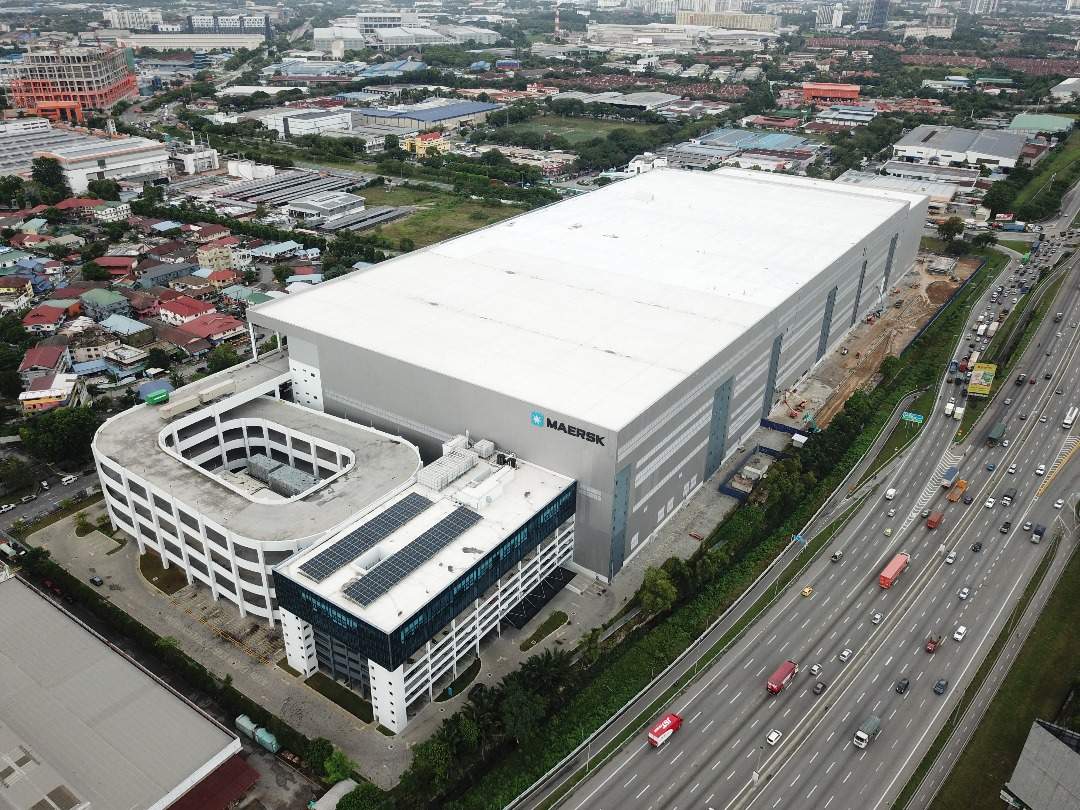
Modern logistics demands more than just storage — it requires precision-engineered spaces that drive efficiency, sustainability, and performance. At Hitec Metal, we combine nearly three decades of experience in pre-engineered steel building systems to deliver warehouse solutions that are strong, scalable, and future-ready.
Over the years, we have completed warehouse projects for well-known organisations across Malaysia, including Northport Distripark, Maersk Logistics, Alibaba Cainiao Logistics, FM Global Logistics, and Top Glove. These projects reflect our commitment to building durable, high-performance facilities that support real operational demands.
Why choose a pre-engineered steel warehouse?
- Wide, clear spans for maximum usable space
- Faster, low-disruption construction timelines
- Exceptional durability against heavy loads and harsh conditions
- Enhanced security and insulation for sensitive storage needs
- Modular design that allows easy expansion as your business grows
From logistics and cold storage to manufacturing, agriculture, retail, and e-commerce, our warehouses are built to support high-volume operations, streamline workflows, and minimise long-term costs.
Ready to build your next warehouse? Get in touch with us today!
FAQs
1. What is the difference between a warehouse and a distribution centre?
A warehouse primarily stores goods safely for future use, while a distribution centre focuses on the rapid movement and fulfilment of products. Warehouses hold inventory long-term; distribution centres handle short-term storage, order processing, and delivery.
2. How do I choose the right warehouse type for my business?
The right warehouse depends on your product type, inventory volume, delivery model, and budget. Consider factors such as location, temperature control, accessibility, and automation needs. Using the FAWW framework—Functionality, Accessibility, Workflow, and Warehouse Safety can help guide your selection.
3. What are the most cost-effective warehouse types for SMEs?
Public and cooperative warehouses are usually the most affordable for small and medium enterprises. They allow businesses to share space, equipment, and operating costs without the need for large capital investment, offering flexibility for growing or seasonal demand.
4. How does technology improve warehouse operations?
Technologies like automation, robotics, and real-time tracking systems increase speed, accuracy, and productivity in warehouse operations. Smart warehouses use data-driven tools to optimise inventory management, reduce errors, and improve overall supply chain visibility.
5. Are automated warehouses replacing traditional ones?
Not entirely. While automation is transforming warehouse operations, traditional warehouses still play a vital role, especially for businesses that manage smaller volumes or require manual handling. Many modern facilities now blend manual and automated systems to achieve the best balance of efficiency and flexibility.
6. Can multiple warehouse types be combined within one facility?
Yes. Many logistics networks now integrate multiple warehouse models, such as fulfilment, bonded, and cold storage, within one facility or campus. This hybrid approach enhances efficiency, supports diverse product types, and optimises space and operational costs.
7. How do sustainability and green certifications affect warehouse operations?
Sustainable warehouses use energy-efficient lighting, insulation, and renewable materials to reduce environmental impact. Achieving green certifications, such as LEED, demonstrates a commitment to sustainability while lowering long-term operating costs and improving brand reputation.