A semiconductor manufacturer in Malaysia secures approval to expand its production capacity to meet rising AI-driven demand. The facility must be operational quickly, meet strict quality standards, and remain adaptable for future technology upgrades. In this context, the construction method chosen is not just a build decision. It is a long-term business commitment.
As industries scale faster and margins tighten, the construction sector is witnessing a clear shift from conventional methods to pre-engineered solutions. This shift is driven by the need for faster delivery, predictable costs, and more sustainable building practices.
Choosing between a pre-engineered building and a conventional steel structure directly impacts operating efficiency, expansion flexibility, and total cost of ownership over the next 10 to 20 years.
In this article, we’ll look into:
- When pre-engineered buildings make sense,
- When conventional construction still applies
- Why pre-engineered solutions are becoming the preferred choice across many industrial and commercial applications.
Understanding Your Construction Options
Before committing to a construction approach, it is important to understand the fundamental differences between pre-engineered and conventional steel buildings.
What Are Pre-Engineered Buildings (PEBs)?
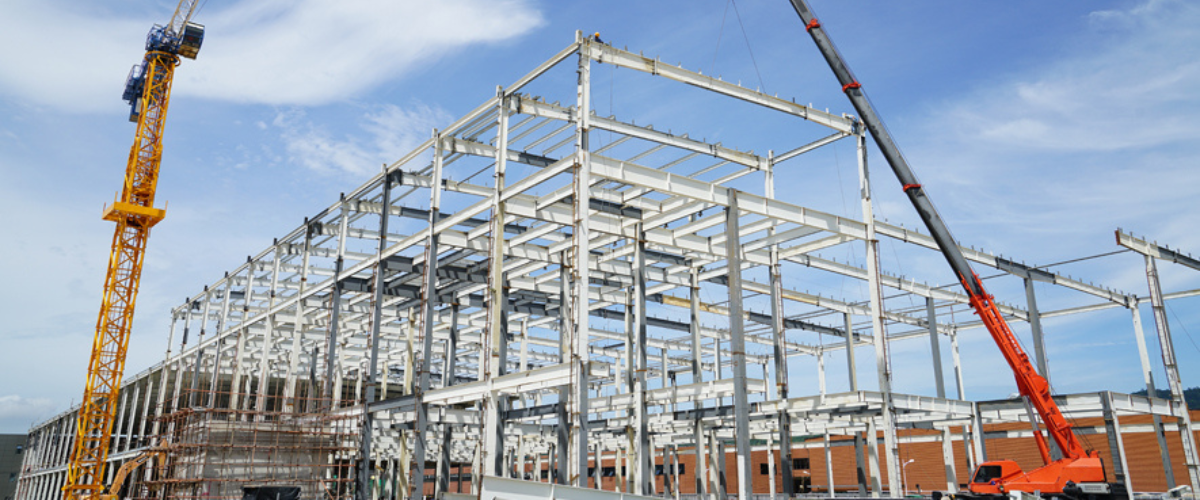
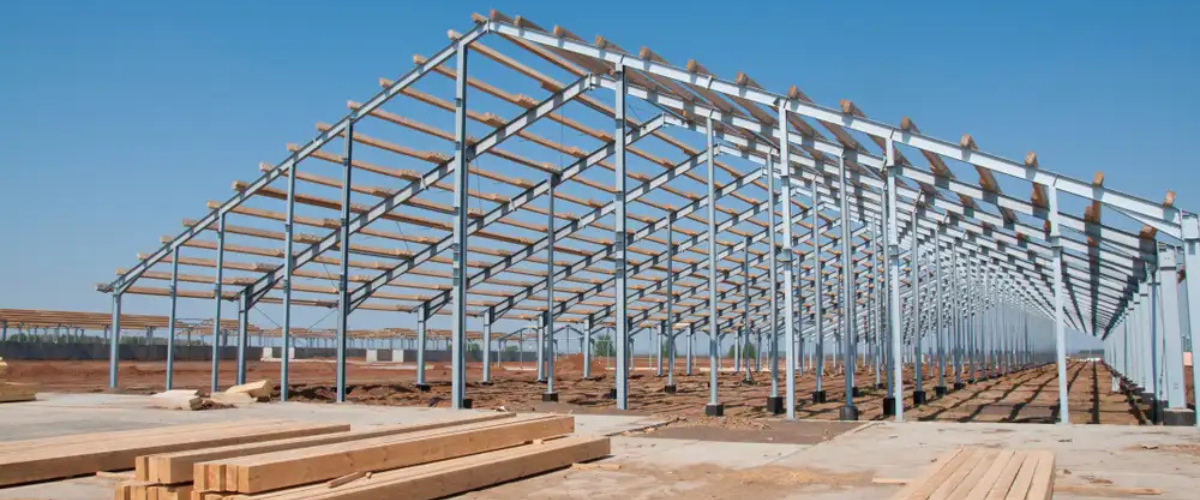
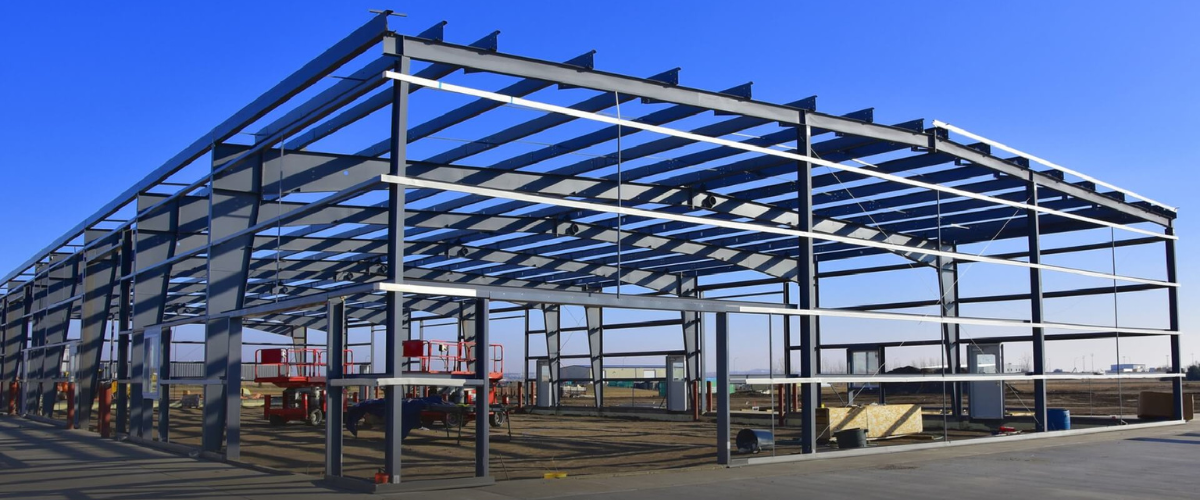
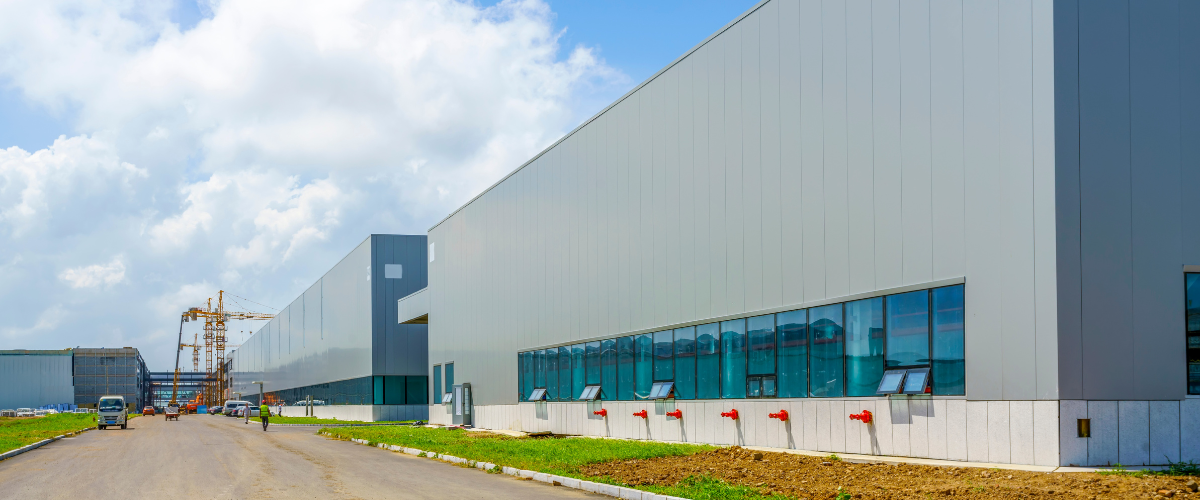
Pre-engineered buildings (PEBs) are factory-fabricated steel structures with components designed, manufactured, and tested off-site before delivery for rapid on-site assembly.
This factory-to-site approach delivers faster construction (around 3 to 5 months), predictable costs, and consistent quality—ideal for Malaysian warehouses, manufacturing plants, and industrial facilities requiring rapid deployment and scalability.
Want to know more about PEB implementation? We have a guide on Applications of Steel Structure Design in PEBs.
What Are Conventional Steel Buildings?
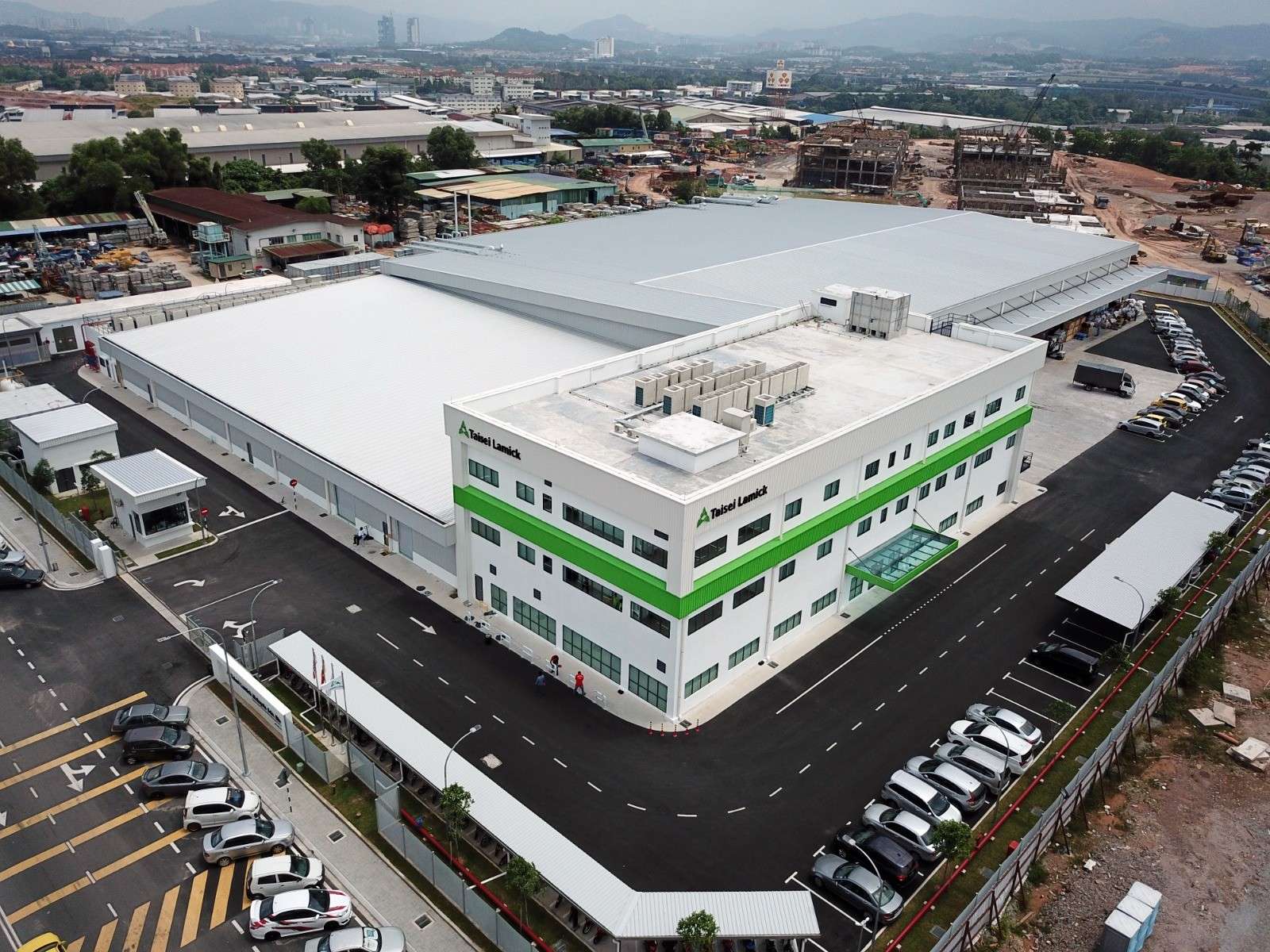
Conventional steel buildings are custom-designed and largely constructed on-site for each specific project.
This site-specific approach allows full customisation for complex layouts, unique architectural requirements, or challenging terrain, but usually requires 6 to 12 months of completion with more variable costs.
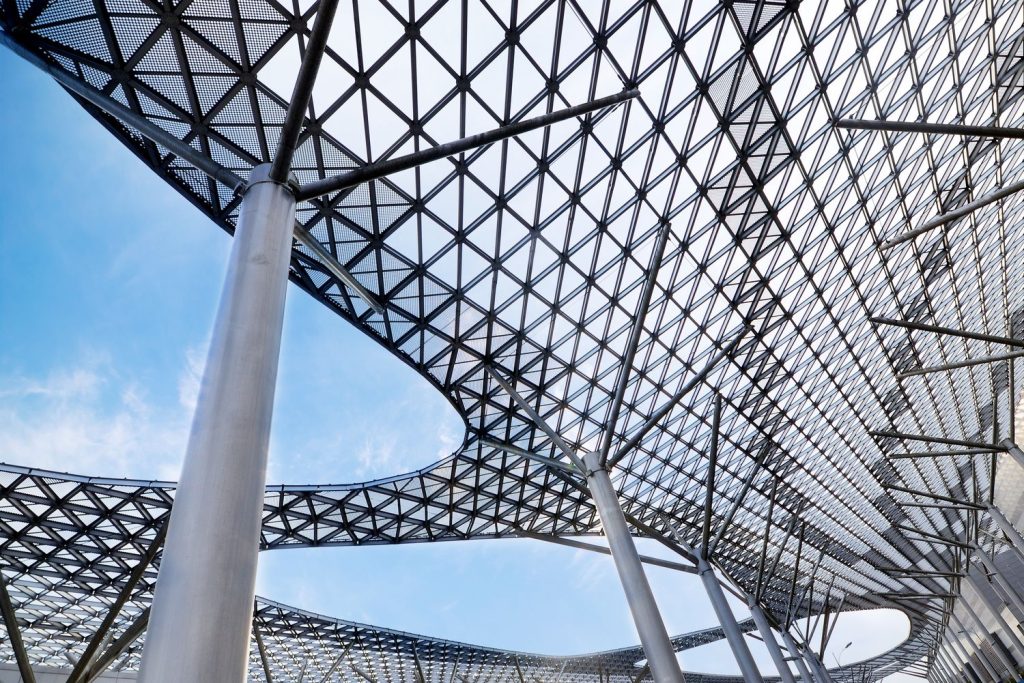
Conventional construction remains essential for specialised facilities requiring high architectural or structural complexity.
Quick Comparison: PEB vs Conventional Construction
Feature | Pre-Engineered Buildings | Conventional Steel Buildings |
Construction Time | 3 to 5 months | 6 to 12 months |
Manufacturing Location | Off-site factory | On-site construction |
Cost Predictability | Fixed pricing | Variable costs |
Customization Level | Moderate to high | Unlimited |
Best For | Standard industrial/commercial | Complex architectural project |
Expansion Capability | Modular additions | Major re-engineering required |
Bring Your
Next Building to Life!
Why Pre-Engineered Buildings Are Gaining Ground
Industry Shift Context
Pre-engineered buildings (PEBs) are no longer seen merely as a “cheap alternative” to the traditional steel construction. Globally, and increasingly in Malaysia, businesses are recognising PEBs as a strategic, high-performance solution for industrial and commercial facilities.
Market trends show that PEB adoption is rising sharply, particularly in sectors where speed-to-market, cost control, and sustainability have become top priorities.
In Malaysia, rapid growth in e-commerce, high-tech manufacturing, and logistics has created demand for facilities that can be deployed quickly without sacrificing quality. Factory-built systems provide a predictable, modular, and scalable approach that aligns perfectly with these business objectives.
What began as a cost-saving measure has evolved into a smart, long-term investment that supports faster growth, operational efficiency, and environmental responsibility.
Key Business Benefits Driving the Shift
1. Speed as a Competitive Advantage
Time-to-revenue is critical in today’s fast-moving industries. PEBs accelerate deployment through off-site fabrication and swift on-site installation, giving companies first-mover advantages.
For example, e-commerce fulfilment centres can roll out multiple warehouses within months rather than the year-plus required for traditional construction—translating directly into faster market entry, earlier revenue generation, and increased market share.
2. Financial Predictability in Uncertain Markets
Construction projects face cost fluctuations from labor shortages, material price volatility, and schedule overruns. Pre-engineered steel systems counter this with fixed pricing and defined timelines, reducing financial risk and enabling better cash flow management.
In Malaysia’s volatile construction market, PEB’s cost certainty allows businesses to lock in budgets, avoid unexpected overruns, and maintain financial stability during expansion.
3. Scalability for Growing Businesses
Modular design enables businesses to scale capacity in line with demand. Facilities can be expanded with minimal operational disruption—logistics providers in Malaysia often start with a single distribution center and add pre-fabricated bays as volumes grow, completing expansions without halting operations or incurring the high retrofit costs typical of site-built construction.
4. Sustainability and ESG Compliance
Environmental responsibility is no longer optional. Pre-engineered systems reduce material waste by up to 30% compared to conventional structures through optimized steel usage. Controlled manufacturing lowers construction carbon footprint, while flexible configurations enable recyclability at end-of-life.
For Malaysian businesses meeting ESG standards, particularly in logistics, manufacturing, and agriculture, PEBs align sustainability goals with brand value and regulatory compliance.
5. Quality Consistency
PEB-controlled manufacturing environments ensure that each component meets strict quality standards, reducing site-dependent variability caused by weather, labour skill, or other unpredictable factors.
For companies operating multiple facilities across Malaysia, this means consistent quality across locations, enhancing operational reliability and brand reputation.
6. Labour Market Realities
Malaysia’s skilled labour shortage makes PEB’s reduced site labour requirements a strategic advantage. Less dependency on specialised on-site workers means shorter assembly timelines, lower costs, and smoother project execution regardless of labour market conditions.
Applications Where PEB Is Becoming Standard
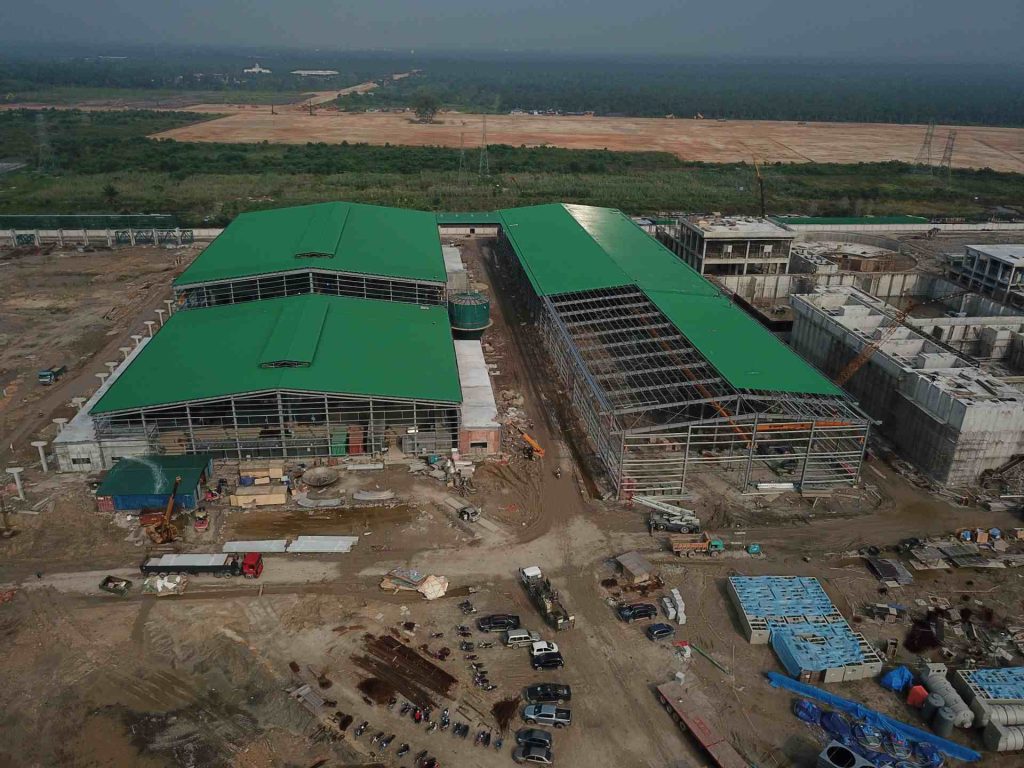
Pre-engineered systems are increasingly the default solution across a range of applications:
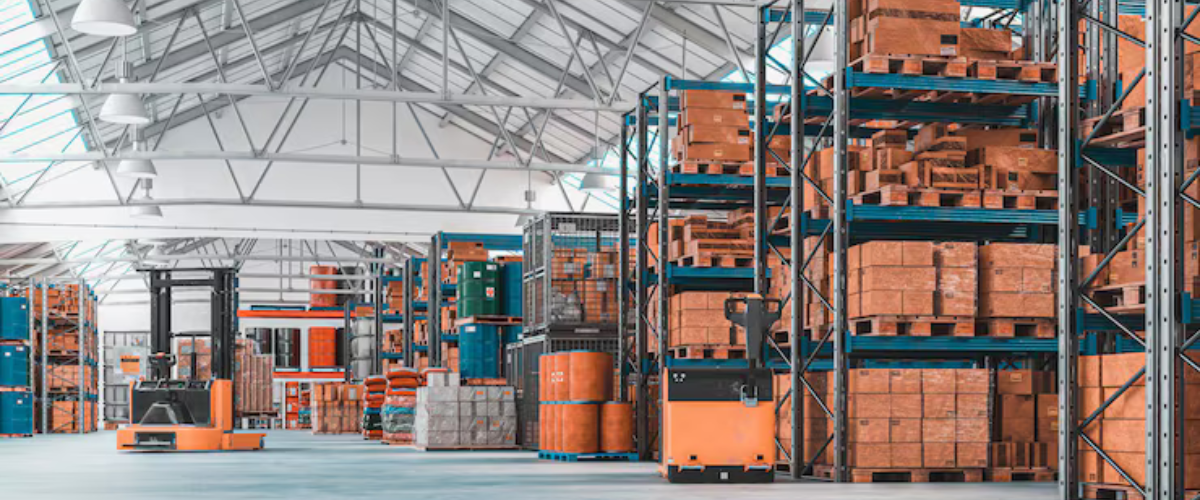
- Warehousing and logistics : Over 80% adoption in modern supply chains
- Light manufacturing facilities: Quick setup with scalable layouts
Agricultural and industrial storage: Modular, durable, and cost-efficient - Quick-service retail outlets:Fast-to-market advantage
- Automotive dealerships and service centers: Standardized design with quality control
Key Differences: How PEB Solves Conventional Challenges
Pre-engineered buildings (PEBs) address common limitations in traditional construction. While both methods meet identical Malaysian building standards (UBBL, MS 1553), their approaches to design, fabrication, and assembly create distinct differences in cost predictability, timelines, quality consistency, and long-term flexibility.
Budget Predictability
Site-built construction faces cost overruns from change orders, material waste, and labor variability. PEBs provide fixed-price agreements and standardized components for predictable budgets and lower financial risk.
Construction Timelines
Weather-dependent site work and sequential assembly extend conventional timelines. Off-site manufacturing enables concurrent production and rapid assembly, accelerating time-to-market and revenue generation.
Expansion and Scalability
Standard steel buildings typically require significant re-engineering for expansion, often causing operational disruption. In contrast, modular steel buildings enable phased additions with minimal downtime. This makes scaling facilities easier as business needs grow, from logistics hubs to manufacturing plants.
Quality Consistency
On-site conditions and labour skill levels often affect the quality of conventional buildings. Pre-engineered systems maintain consistent quality through precision manufacturing, standardised components, and rigorous quality checks, ensuring reliability across multiple locations.
Sustainability and Labour
PEBs also provide environmental and labour advantages. Reduced material waste, lower carbon footprint, and recyclable components align with ESG goals. On the labour side, less reliance on skilled site workers shortens assembly times and mitigates the impact of Malaysia’s skilled labour shortages.
Comparison Table: Business Outcomes
Factor | Conventional Approach | PEB Advantage | Business Impact |
Budget | Change orders, material waste, labour variability | Factory pricing, minimal waste, controlled expenses | Better cash flow, lower financial risk |
Timeline | Weather-dependent, sequential site work | Concurrent manufacturing, rapid assembly | Earlier revenue, faster market entry |
Expansion | Major re-engineering, operational disruption | Modular additions, minimal downtime | Scalable growth aligned with demand |
Quality | Site-dependent, variable outcomes | Factory-controlled, standardised | Consistent quality across locations |
Sustainability | High material waste | Optimised use, lower carbon footprint | Supports ESG compliance |
Labour | Dependent on skilled site labour | Less on-site labour required, faster assembly | Reduced labour costs, smoother execution |
The analysis provides a foundation for deciding which method best suits specific project needs, budgets, and long-term operational goals.
When Each Method Makes Sense
Pre-Engineered Buildings: The Modern Default for Most Industrial Applications
For most industrial and commercial projects in Malaysia, PEBs are now the preferred choice. Their modular design, rapid deployment, cost predictability, and consistent quality make them the default for a wide range of facilities.
Business Scenarios Favouring PEB
Pre-engineered steel systems align with projects where speed, scalability, and financial certainty are important:
- Multi-location rollout strategies with identical layouts for efficiency
- Fast-growing businesses needing phased expansions
- Budget-conscious projects with fixed funding
- Timeline-critical launches for e-commerce, logistics, or manufacturing
- Companies prioritising sustainability and ESG compliance
Case study example:
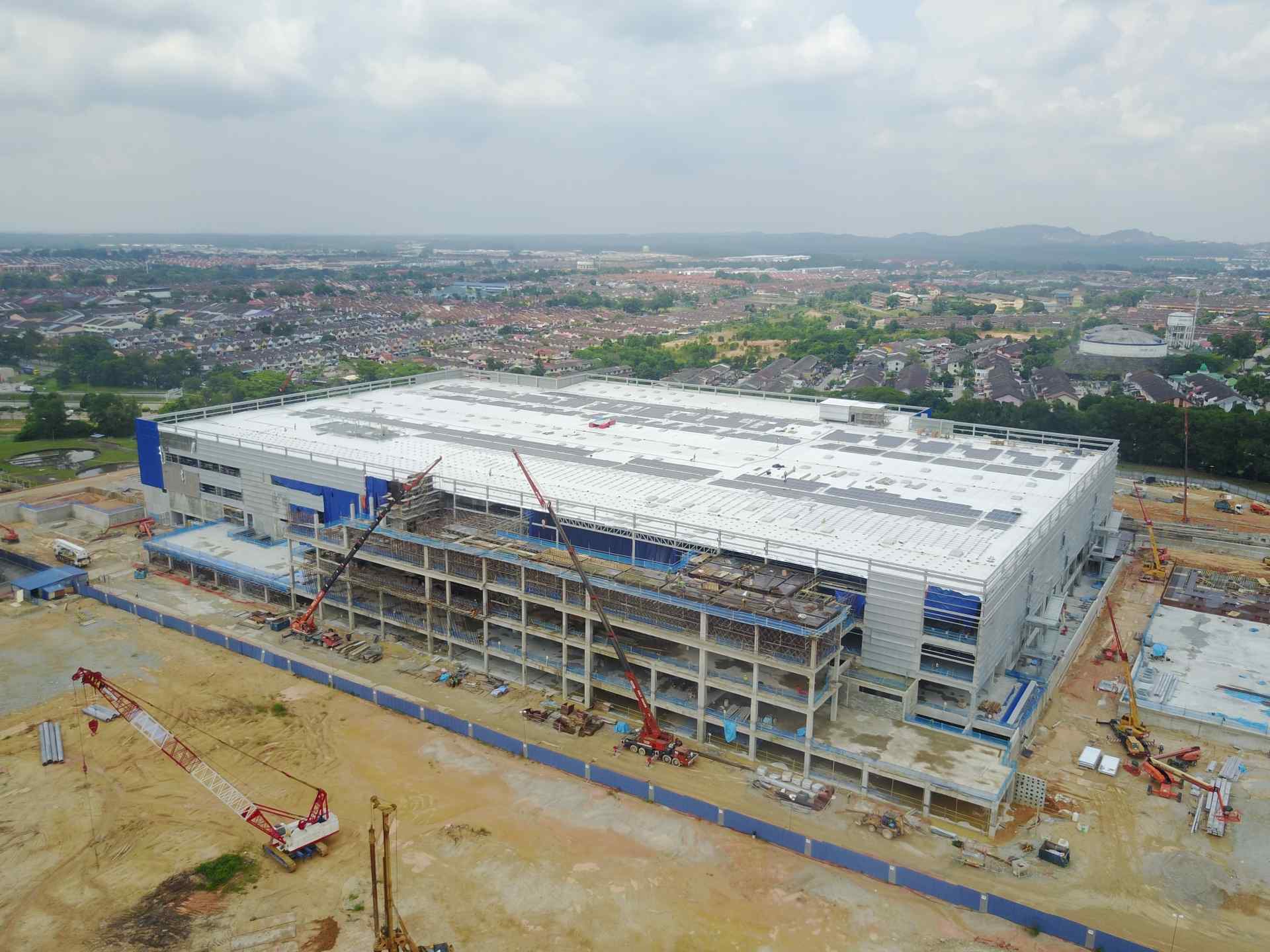
A home furnishing powerhouse used PEBs at two of its outlets to ensure consistent quality, faster deployment, and identical layouts across all locations, optimising operations, training, and maintenance.
Conventional Buildings: Specialised Needs Still Require Traditional Construction
While PEBs cover 70 to80% of industrial and commercial needs, site-built construction remains the solution when projects require unique architectural or technical specifications.
Scenarios Where Conventional Remains Necessary
- Complex corporate headquarters or signature buildings
- Heavy industrial facilities with extreme load requirements
- Multi-story mixed-use developments combining offices, retail, and residential units
- Sites within historic districts requiring strict heritage compliance
- Irregular terrain or tight urban plots needing site-specific engineering
- Ultra-specialised labs, cleanrooms, or high-precision industrial processes
Traditional construction is best suited for projects where customisation and technical complexity outweigh speed, cost predictability, and modular scalability.
Choose PEB if: You need speed (under 6 months), budget certainty, future expansion capability, or sustainability compliance.
Choose Conventional if: You require complex architecture, extreme loads (more than 15 tons), multi-story designs, or heritage district integration.
Making Your Decision
Use this decision framework to determine which construction method aligns with your project requirements:
Quick Decision Guide
Check if ANY of these apply:
- Complex architectural expression is brand-critical
- Building must integrate into historic district
- Extremely heavy loads (>15-ton crane systems)
- Multi-story with varied floor heights
- Site is inaccessible for large component delivery
- Municipal codes mandate specific architectural features
- Highly specialised environmental controls requiring custom integration
Assessment: 0-1 items: PEB highly recommended 2-3 items: Consider PEB with customization or hybrid approach 4 or more items: Conventional construction likely necessary |
Is Your Project Ideal for PEB?
Next, consider the characteristics that make PEBs the optimal solution:
- Need to be operational within 6 to 9 months
- Budget predictability is critical
- Standard industrial/commercial function
- Future expansion likely
- Multiple similar facilities planned
- Sustainability goals important
- Site has good access
Scoring: More than 4 items checked: PEB is your optimal solution |
By these measures, PEBs suit most Malaysian industrial and commercial projects, especially in logistics, manufacturing, retail, and agriculture.
Their speed, scalability, and consistent quality deliver clear operational benefits while reducing cost and schedule risk.
Understanding Total Value
When evaluating construction methods, the decision goes beyond initial investment. Total value considers the entire lifecycle of a building—from construction through long-term operations and eventual expansion or relocation.
Initial Investment Phase
- PEB: Offers predictable pricing, fewer change orders, and reduced contingency requirements. Standardised components and factory-based production minimise cost surprises, allowing better budget management.
- Conventional: Provides greater design flexibility, potential for value engineering, and customisation. However, costs can vary depending on site complexity, labour availability, and material selection.
Construction Period
- PEB: Shorter construction timelines mean earlier operational readiness and faster revenue generation. Reduced on-site assembly work lowers interim financing needs and limits exposure to weather delays.
- Conventional: Usually takes longer to complete, but may allow more flexible phasing and less concentrated site disruption during construction.
Operational Phase (Years 1 to 10)
Cost Factor | Pre-engineered Buildings | Conventional Steel Buildings |
Energy efficiency | Optimized insulation reduces cooling costs in tropical climate | Site-specific HVAC design; requires fine-tuning |
Maintenance frequency | Predictable schedules with standardized components | Variable; may need specialized parts |
Insurance premiums | Standard certification simplifies underwriting | May vary with design complexity |
Long-Term Value (10 to 25 Years)
- Expansion capability: PEBs allow modular additions with minimal disruption, while conventional buildings often require significant re-engineering.
- Adaptability: PEB layouts are modular but may have system limitations; conventional structures can sometimes be reconfigured more freely.
- Relocation potential: PEBs can be dismantled and relocated, offering flexibility for evolving business needs; conventional buildings are permanent.
Malaysia-Specific Lifecycle Considerations
- Tropical climate: PEB insulation reduces cooling costs
- Monsoon drainage: PEB roof systems optimize rapid runoff
- Local sourcing: Standardized PEB components widely available
- Coastal corrosion: PEB protective coatings ensure durability in humid, saline environments such as Penang, Johor, and Sabah’s coastal areas
CIDB-registered contractors such as Hitec Metal ensure compliance with MS 1553 structural standards and local authority requirements across Peninsular and East Malaysia.
When evaluated on total lifecycle value rather than upfront cost, PEBs often offer better predictability, scalability, and long-term efficiency, while conventional construction is best for complex sites or highly specialised requirements.
Common Misconceptions About PEB
Despite their growing popularity, pre-engineered buildings (PEBs) are still sometimes misunderstood, and misconceptions can prevent businesses from exploring their benefits. Let’s address the most common myths.
Misconception 1: “PEBs are lower quality”
Reality: PEBs must meet the same structural codes as conventional buildings. Factory-controlled production ensures consistent quality and tight tolerances, often surpassing on-site variability in traditional construction.
Misconception 2: “Conventional is always stronger”
Reality: Structural strength is determined by engineering and design requirements. Both PEB and conventional buildings can be engineered to meet any load specification, from heavy industrial machinery to high wind or seismic conditions.
Misconception 3: “PEBs can’t be customized”
Reality: Modern PEBs support significant customization such as facades, mezzanines, skylights, and interior layouts, while maintaining factory production efficiency.
PEB customization starts with choosing the right structural system. Discover the various configurations available in The 7 Types of Pre-Engineered Building Structures article.
Misconception 4: “Conventional is always more expensive”
Reality: Cost depends on project specifics, including complexity, size, timeline, and material selection. PEBs often provide faster construction and predictable budgets, making them more cost-effective in many industrial and commercial scenarios—but site-built construction may still make sense for specialized projects.
Misconception 5: “PEBs look industrial and unappealing”
Reality: Modern PEB designs include aesthetic options comparable to conventional buildings, such as colored panels, glass facades, architectural cladding, and rooflines that suit retail, corporate, and commercial applications. PEBs can be both functional and visually appealing.
Misconception 6: “PEBs are only for basic warehouses”
Reality: PEBs support diverse applications, including retail spaces, showrooms, offices, sports facilities, and specialized industrial buildings.
Misconception 7: “Conventional is the ‘safe’ choice”
Reality: PEBs’ factory quality control, engineering precision, and proven performance often reduce risk compared with site-dependent conventional construction.
Expand Your Horizons with Pre-Engineered Buildings
Pre-engineered buildings (PEBs) are no longer just a cost-saving option. They are a strategic choice for Malaysian businesses that value faster delivery, budget certainty, scalability, and sustainable design. For many industrial, commercial, and warehousing projects, PEBs are now the preferred solution.
Conventional construction remains suitable for projects with complex design needs or demanding site conditions. The key is selecting the approach that aligns with your project requirements.
For organisations focused on efficiency, timeline reliability, and long-term value, PEBs offer rapid construction, predictable costs, flexible expansion, sustainability, and consistent build quality.
With over three decades of experience, Hitec Metal Sdn. Bhd. designs and delivers high-performance pre-engineered steel buildings for Malaysia’s industrial, commercial, and logistics sectors.
Why Top Companies Choose Us
- CIDB Grade 7 contractor with proven delivery capability
- ISO 9001:2015, ISO 14001:2015, and ISO 45001:2018 certified for quality, safety, and sustainability
- Extensive experience across warehouses, data centres, agricultural and manufacturing facilities
- Engineering-led innovation, including Malaysia’s longest single-span pre-engineered building with a vertical lift door
Request a customised feasibility analysis for your next PEB project with our consultants today.
FAQs
What factors affect pre-engineered building construction timelines in Malaysia?
Site readiness is the biggest variable. Other factors include:
- Site preparation and ground conditions: 2 to 4 weeks
- Local authority approvals: 4 to 8 weeks
Foundation work (can run with manufacturing): 2 to 3 weeks - PEB manufacturing: 6 to 8 weeks
- Structural assembly and finishing: 2 to 4 weeks
- Monsoon season scheduling and utility readiness
Projects with pre-approved sites and utilities can be completed in as little as 3 months up to 5 months. PEB timelines are 40 to 50% more predictable than conventional construction since factory production is unaffected by weather or on-site labor.
Can I relocate a pre-engineered building (PEB) if my business moves?
Yes, with 70 to 85% of components reusable. PEBs’ modular, bolted components allow disassembly, transport, and reassembly.
This makes PEBs valuable for businesses with evolving location needs, temporary facilities, or lease-dependent operations. However, relocation requires engineering assessment, foundation redesign, and transport planning.
What approvals are needed for a pre-engineered building in Malaysia?
PEBs require the same approvals as conventional construction, including:
- Local council planning permission
- Building plan approval from the local authority (PBT)
- Compliance with Uniform Building By-Laws (UBBL) and MS 1553 structural standards
Pre-fabricated structural contractors usually manage the approval process, which takes 4 to 8 weeks, depending on location and project complexity. Projects in industrial or designated manufacturing zones may benefit from faster, streamlined approvals.
What maintenance does a pre-engineered building require?
PEBs need routine inspections every 6 to 12 months, focusing on:
- Roof drainage clearance, especially after monsoon seasons
- Fastener tightness checks
- Protective coating inspections in coastal areas
- Door and window seal integrity
Major maintenance usually involves recoating steel surfaces every 10 to 15 years, depending on exposure. Standardised components make maintenance simple, with replacement parts readily available.
Overall, PEB maintenance costs are 15 to 20% lower than conventional buildings due to predictable service schedules.
How do I choose the right PEB contractor in Malaysia?
Look for contractors that offer:
- CIDB Grade 6 or 7 registration for large-scale projects
- ISO 9001:2015 quality certification
- Proven experience in your sector
- In-house engineering for custom requirements
- Comprehensive warranties (typically 10 to 15 years for structural integrity)
Request site visits to completed projects and check client references. Established contractors should provide end-to-end design-build services, including engineering and local authority approvals.